





The 3-Day Split Routine Built for Long Beach's High-Impact Lifestyle
A Long Beach strength coach breaks down a 3-day split routine built for surfers, volleyball players, and beach runners who need power and resilience.
A 3-day split routine for strength training built for Long Beach's active lifestyle pairs one lower-body power day, one upper-body push/pull day, and one full-body rotational power and conditioning day, trained on non-consecutive days like Monday, Wednesday, and Friday. This structure builds the posterior chain, shoulder stability, and rotational power that surfing, volleyball, paddleboarding, and beach running demand, while leaving enough recovery time between sessions to progress load safely.
A client of mine paddled the Belmont Shore break four mornings a week, played beach volleyball on the weekends, and still tweaked her lower back reaching for a coffee mug. She wasn't out of shape. She was strong in the ways her sports demanded and completely undertrained everywhere else. Her hips could generate force in the water but her glutes had never been taught to fire on land. That's the pattern I see constantly in this city: people who are conditioned by their lifestyle but never actually strength trained, and their bodies eventually send an invoice.
Long Beach doesn't produce couch-potato injuries. It produces overuse injuries in people who surf, paddle, run the bike path, or play pickleball three times a week and assume that's enough. It isn't, because sport-specific movement builds sport-specific strength and leaves the connective tissue, stabilizers, and opposing muscle groups untouched. The fix isn't more cardio or more time in the water. It's a structured 3-day split routine that builds power and resilience in the gaps your sport doesn't reach, and that's exactly what I'm laying out below.
Why a High-Impact Lifestyle Needs a Different Kind of Strength Training
Surfing, paddleboarding, beach volleyball, and sand running all share a trait: they load the body in repetitive, asymmetric patterns. A surfer pops up on the same side almost every time. A paddler rotates through one dominant shoulder thousands of strokes per session. A volleyball player jumps and lands on the same joints hundreds of times a match. Over months, that repetition builds strength in a narrow band and leaves everything outside that band weak.
Sand itself is part of the problem. Running or training on the Long Beach shoreline or the dry sand near Bluff Park recruits stabilizer muscles in the ankle and hip far more than pavement does, which is great for conditioning but brutal on joints that were never strengthened through a full range of motion. I've had more ankle and knee complaints walk through the door from recreational sand athletes than from anyone doing structured lifting.
A 3-day split routine built around compound lifts, unilateral work, and rotational power directly counters this. It strengthens the posterior chain that sand sports neglect, stabilizes the shoulder joints that paddling overuses, and builds bilateral strength so one side of the body isn't carrying the other. This isn't about turning surfers into powerlifters. It's about giving the joints and connective tissue the structural support the lifestyle demands but never provides on its own.
The 3-Day Split Overview: How the Week Is Structured
The split runs Monday, Wednesday, Friday, or any three non-consecutive days that fit your schedule. That 48-72 hour gap between sessions is not arbitrary. It's roughly the window most lifters need for muscle protein synthesis to complete and for the central nervous system to recover enough to lift heavy again, based on established resistance training guidelines from the National Strength and Conditioning Association.
Each day has a distinct job:
Sessions run 45-60 minutes, which matters if you're training before a 7 a.m. paddle session or squeezing a workout in before pickup soccer with your kids. Five to six exercises per day, 3-4 sets each, 2-3 minutes of rest between the heavy compound lifts. That's enough volume to drive real strength gains without leaving you too fried to surf on Tuesday or play volleyball on Saturday.
The days between lifts aren't rest days in the traditional sense — most clients are still surfing, playing, or walking the bike path. That's fine and expected. The split is designed around your sport, not in competition with it.
Day 1: Lower-Body Power and the Posterior Chain
This is the day that fixes the back tweaks and knee instability I mentioned earlier. The posterior chain — glutes, hamstrings, and lower back — controls hip extension, and hip extension is what generates power in a pop-up, a jump serve, or a sprint through soft sand.
A sample Day 1:
The single-leg work isn't optional filler. Sand sports load one leg at a time constantly, and bilateral squats alone won't correct the imbalance that develops. If a client can't hold a single-leg RDL without wobbling, that's diagnostic information — it usually predicts the ankle or knee that's about to get hurt on the beach.
Day 2: Upper-Body Strength and Shoulder Resilience
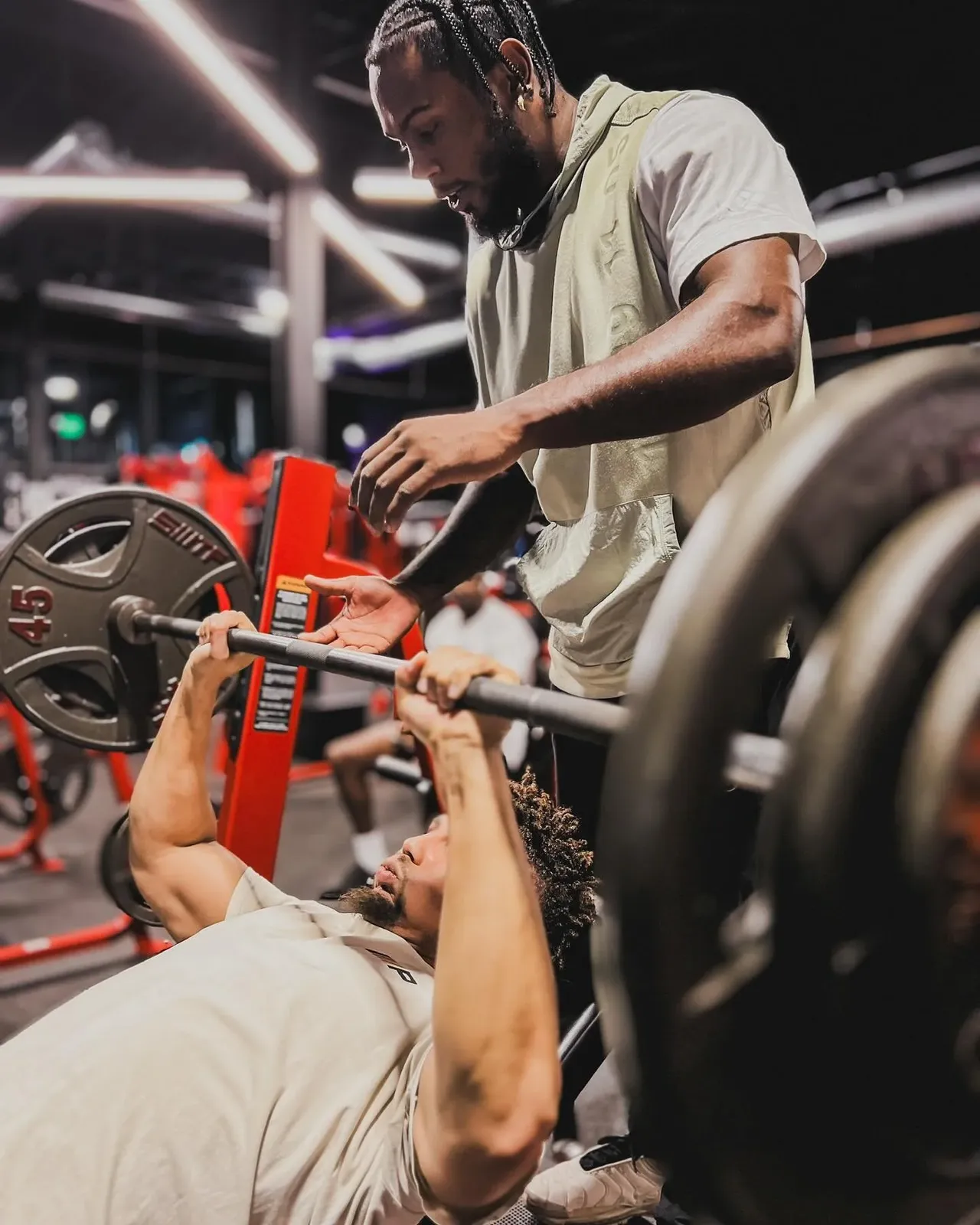
Paddling injuries are the single most common upper-body complaint I hear from Long Beach clients, and bench pressing alone won't prevent them. The rotator cuff and scapular stabilizers need direct, boring, unglamorous work.
A sample Day 2:
That last exercise gets skipped constantly by people programming their own workouts, and it's the one that actually protects the shoulder capsule from the repetitive strain of paddling. Research on overhead and paddle-sport athletes consistently links direct external rotation work to lower rates of shoulder impingement. Three sets, twice a week, is a small price for a joint you use every single time you're in the water.
Day 3: Full-Body Rotational Power and Conditioning
Volleyball spikes, surf pop-ups, and paddle strokes are rotational movements, not straight lines. Most gym programming — including a lot of what's on the floor at 24 Hour Fitness or Equinox — trains almost exclusively in the sagittal plane: forward and back. Day 3 exists to close that gap.
A sample Day 3:
The medicine ball throws are the highest-transfer exercise in the entire program for surfers and volleyball players. You're training the hips and core to generate and transfer rotational force explosively, which is the exact quality that separates a weak pop-up from an athletic one.
Programming Variables: Sets, Reps, and Progressive Overload
The exercises matter less than most people think. What actually drives results over months is how you manage load, volume, and progression, and this is where self-coached programs usually break down.
Use these guardrails:
The deload is the step most people skip, and it's usually why a promising program collapses around week 10-12 with a cranky shoulder or lower back. Connective tissue adapts slower than muscle. The deload lets it catch up before it fails under load.
Common Mistakes Long Beach Athletes Make on Their Own
I've watched the same handful of mistakes derail self-coached programs for years:
Every one of these is fixable with a program that actually accounts for what your sport is and isn't giving you.
Recovery, Mobility, and Nutrition to Support the Split
The training stimulus is only half the equation. Recovery is where the adaptation actually happens, and it's where most people in a hurry cut corners.
Sleep 7-9 hours consistently — this is non-negotiable if you're lifting three days a week and surfing or playing volleyball on top of it. Eat roughly 0.7-1 gram of protein per pound of bodyweight daily; for a 170 lb client, that's 120-170 grams spread across 3-4 meals. Hydration matters more here than in most cities given the heat and the hours people spend in salt water and sun — aim for at least half your bodyweight in ounces of water daily, more on training or beach days.
Build in 10 minutes of mobility work on non-lifting days: hip flexor stretches, ankle dorsiflexion drills, and thoracic spine rotations. These directly support the ranges of motion the split and your sport both demand. A foam rolling session or a contrast shower (hot/cold) after heavy lower-body days can also reduce next-day soreness enough that it doesn't compromise your surf session or your Wednesday lift.
Your Next Step
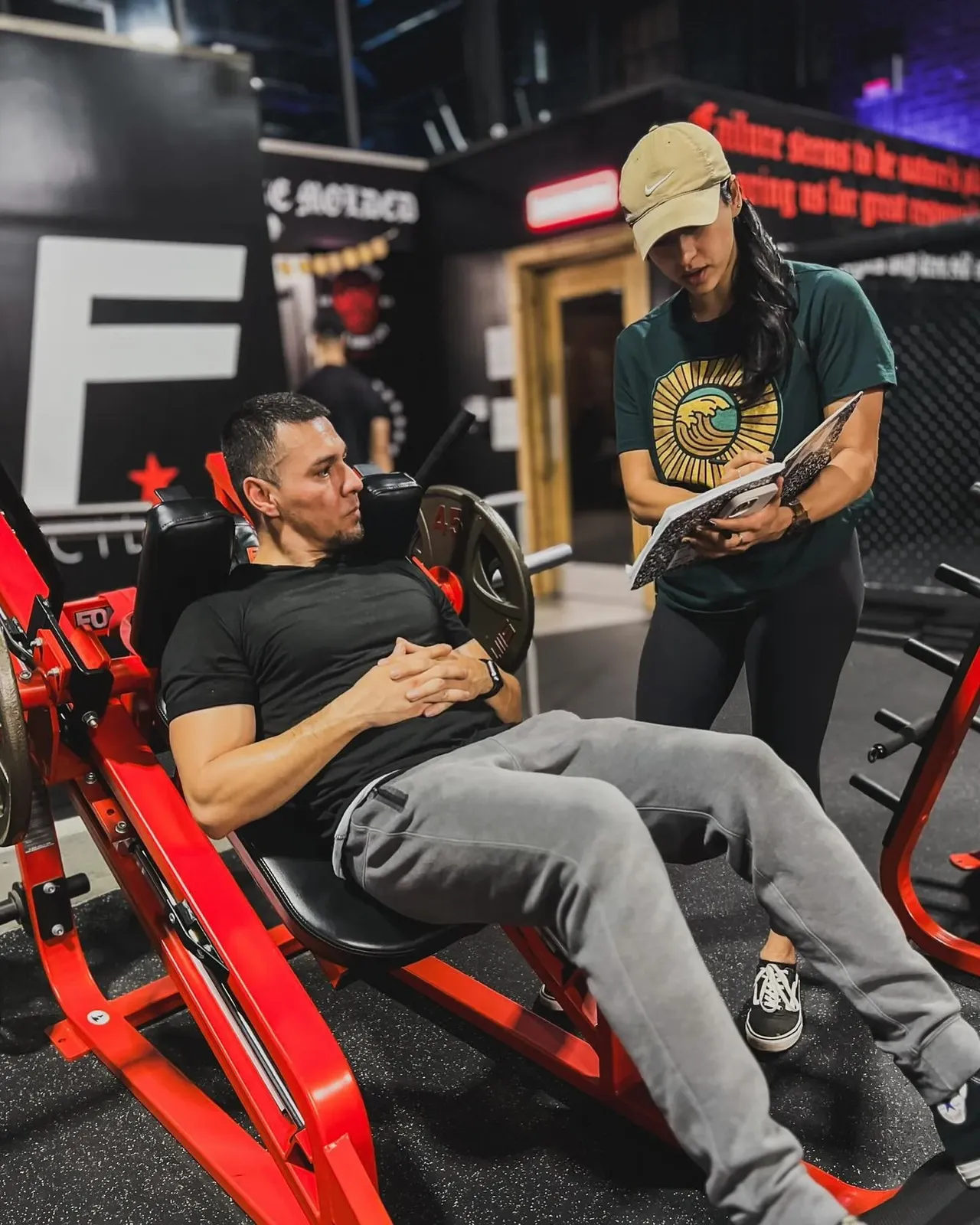
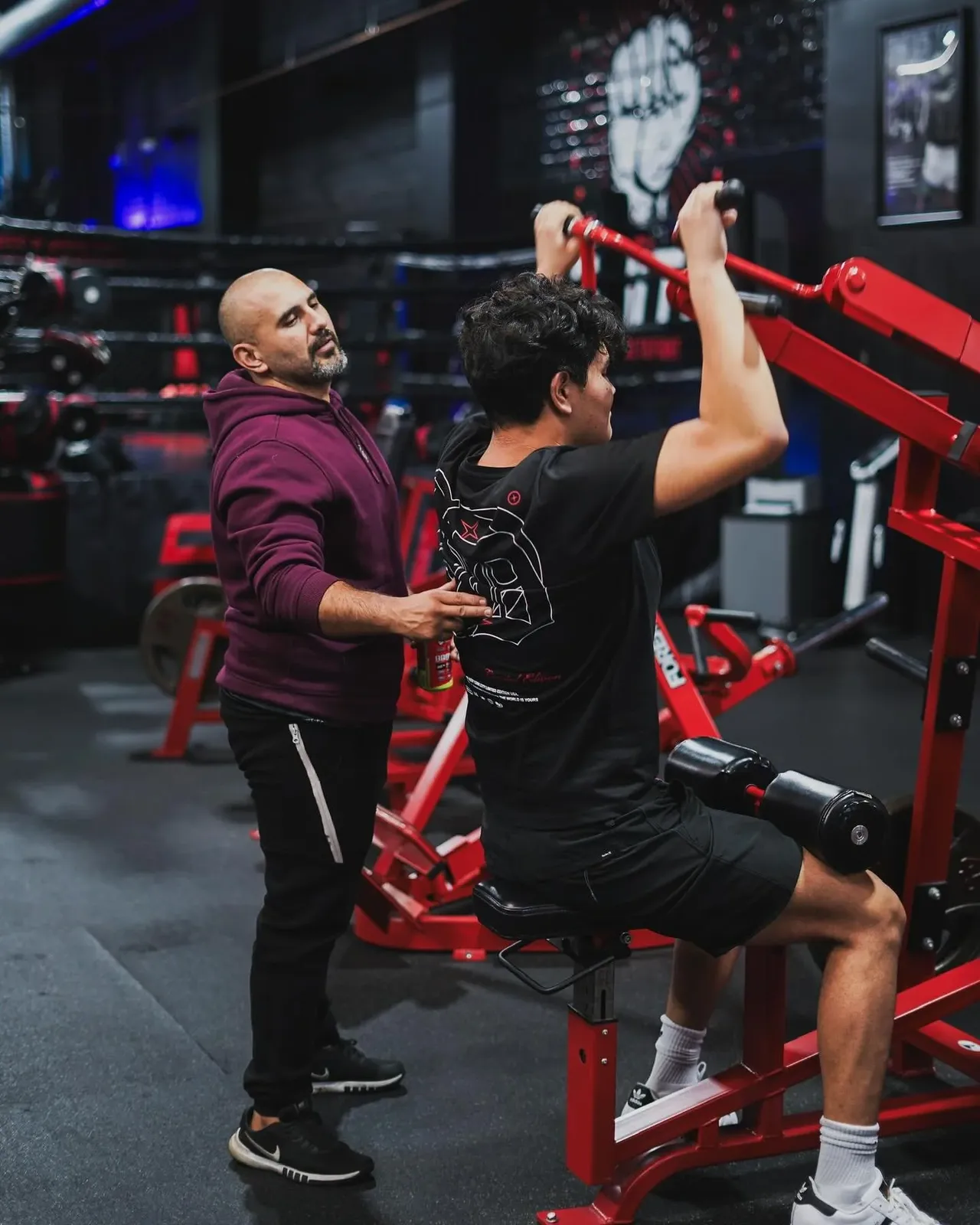
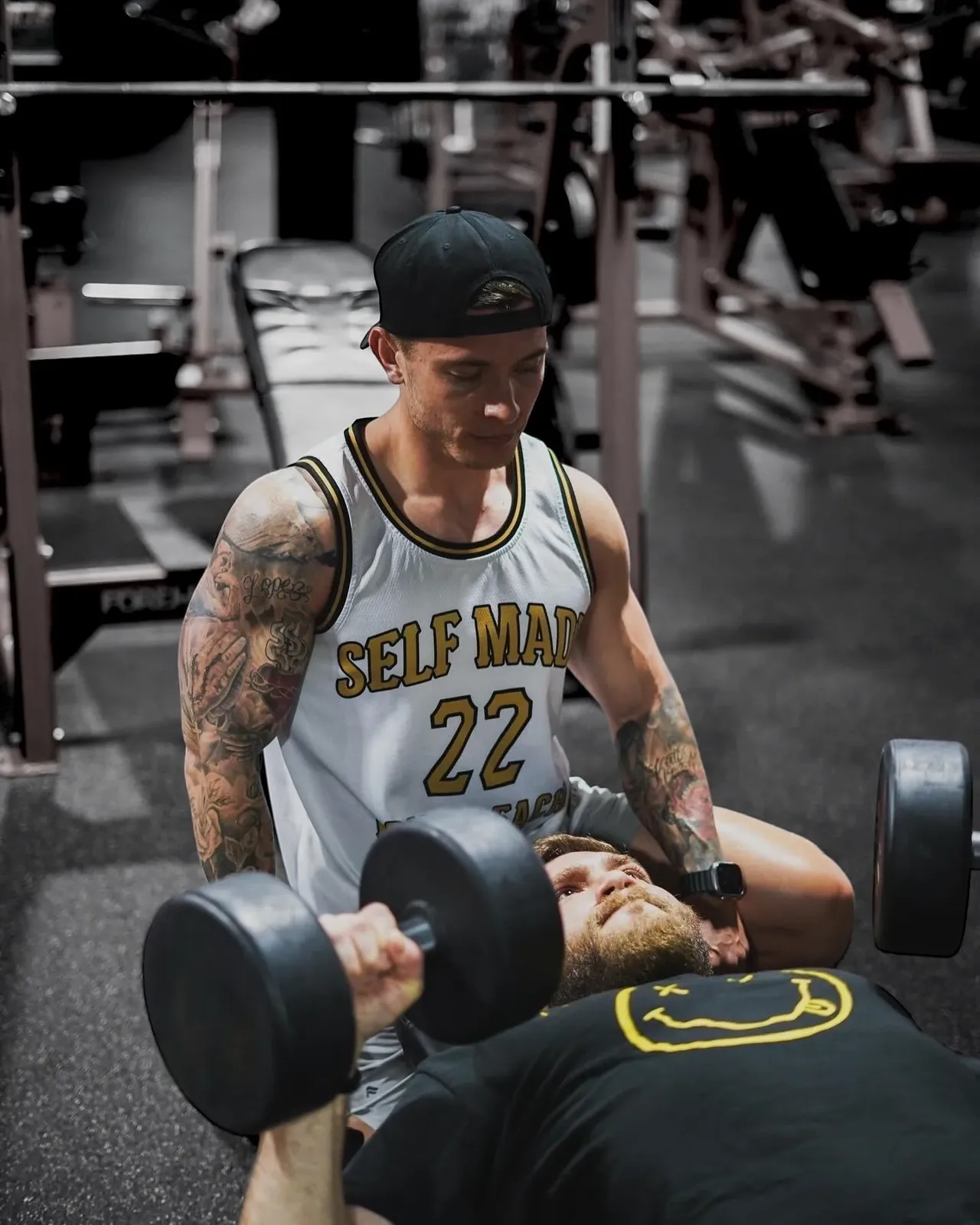
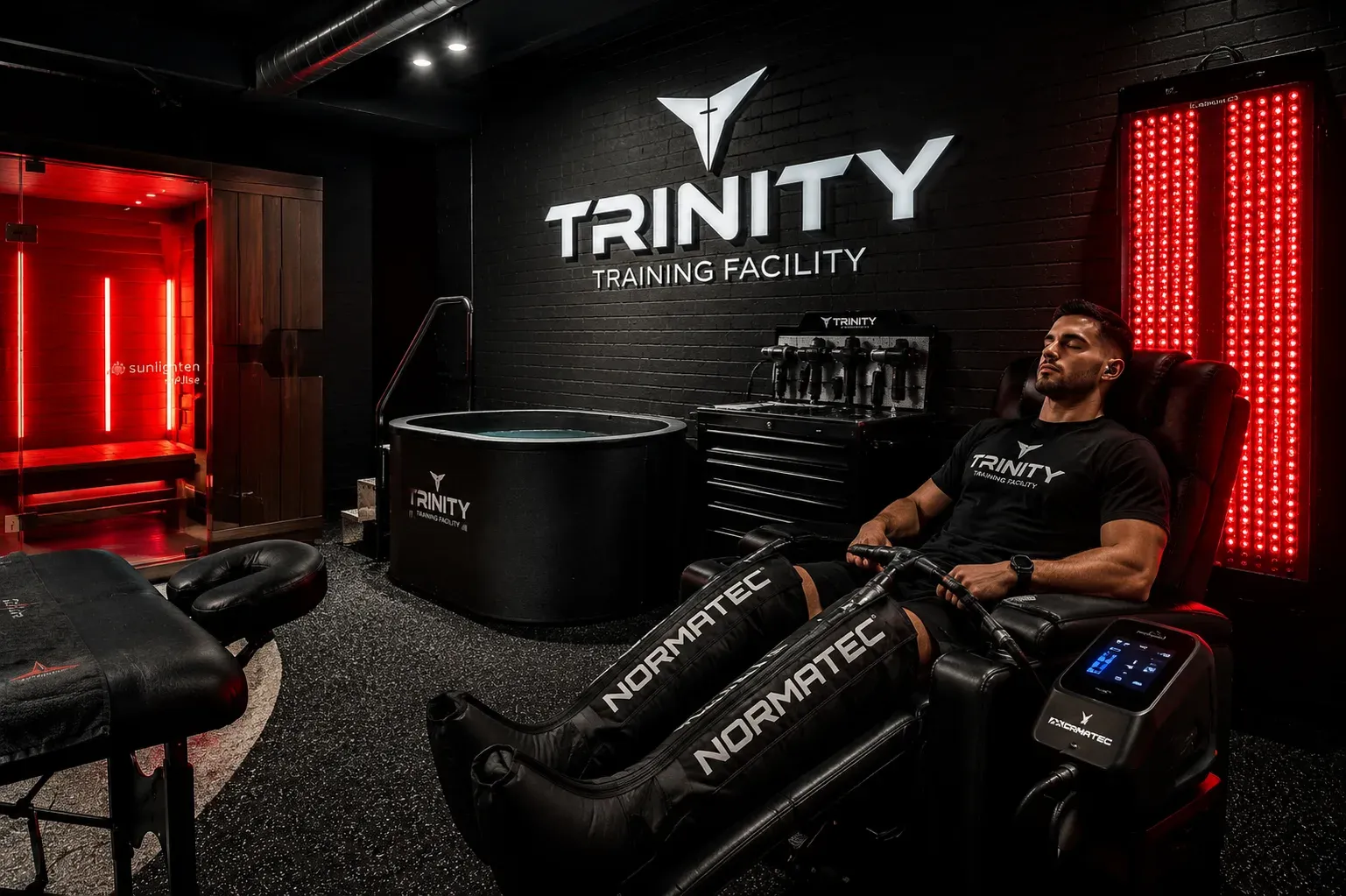
This split works because it's built around what Long Beach's active lifestyle actually asks of the body, not a generic template pulled from a fitness app. If you've been getting by on surf sessions and beach volleyball alone and you're starting to feel it in your shoulders, knees, or lower back, that's your body asking for the strength work your sport isn't providing. Book a movement assessment at Trinity Training Facility and we'll build a 3-day split around your sport, your schedule, and the specific imbalances your body has developed — not a copy-paste program that ignores them.
Key Takeaways
- A 3-day split trained Monday/Wednesday/Friday gives 48-72 hours of recovery between sessions, which is enough to add load weekly without overtraining a busy schedule.
- Day 1 should prioritize lower-body power and the posterior chain (squats, hinges, single-leg work) because sand running and paddling punish weak glutes and hamstrings first.
- Day 2 needs dedicated rotator cuff and scapular work, not just bench press, since surfing and paddleboarding load the shoulder in a repetitive, asymmetric pattern.
- Day 3 should include rotational power moves like medicine ball throws and kettlebell swings because volleyball, surfing, and paddling all generate force through rotation, not straight lines.
- Progressive overload works best in 2-week blocks: add 5 lbs to upper-body lifts and 10 lbs to lower-body lifts once every prescribed rep is completed with a rating of perceived exertion at 7 or 8.
- A deload week every sixth week, cutting volume by roughly 40%, prevents the nagging shoulder and lower back issues that end most self-coached programs by month three.
Sources
- National Strength and Conditioning Association — Position Statement on Resistance Training Frequency
- American College of Sports Medicine — Progression Models in Resistance Training
- National Institutes of Health — Rotator Cuff and Shoulder Injury Prevention in Overhead and Paddle Sports
- Centers for Disease Control and Prevention — Physical Activity Guidelines for Americans