





Progressive Overload for Injured Athletes: Rebuilding Strength Safely in Long Beach
Learn how progressive overload rebuilds strength after injury with a science-backed, phase-by-phase framework used at Trinity Training Facility in Long Beach.
Progressive overload for injured athletes means gradually increasing mechanical stress across range of motion, tempo, and load — not just adding weight — so tissue rebuilds without re-injury. It starts with isometric holds, progresses through eccentric and full-range light-load work, and only reintroduces heavy compound lifts once hop-test symmetry reaches at least 90% between limbs, typically over a 10 to 12 week phased framework.
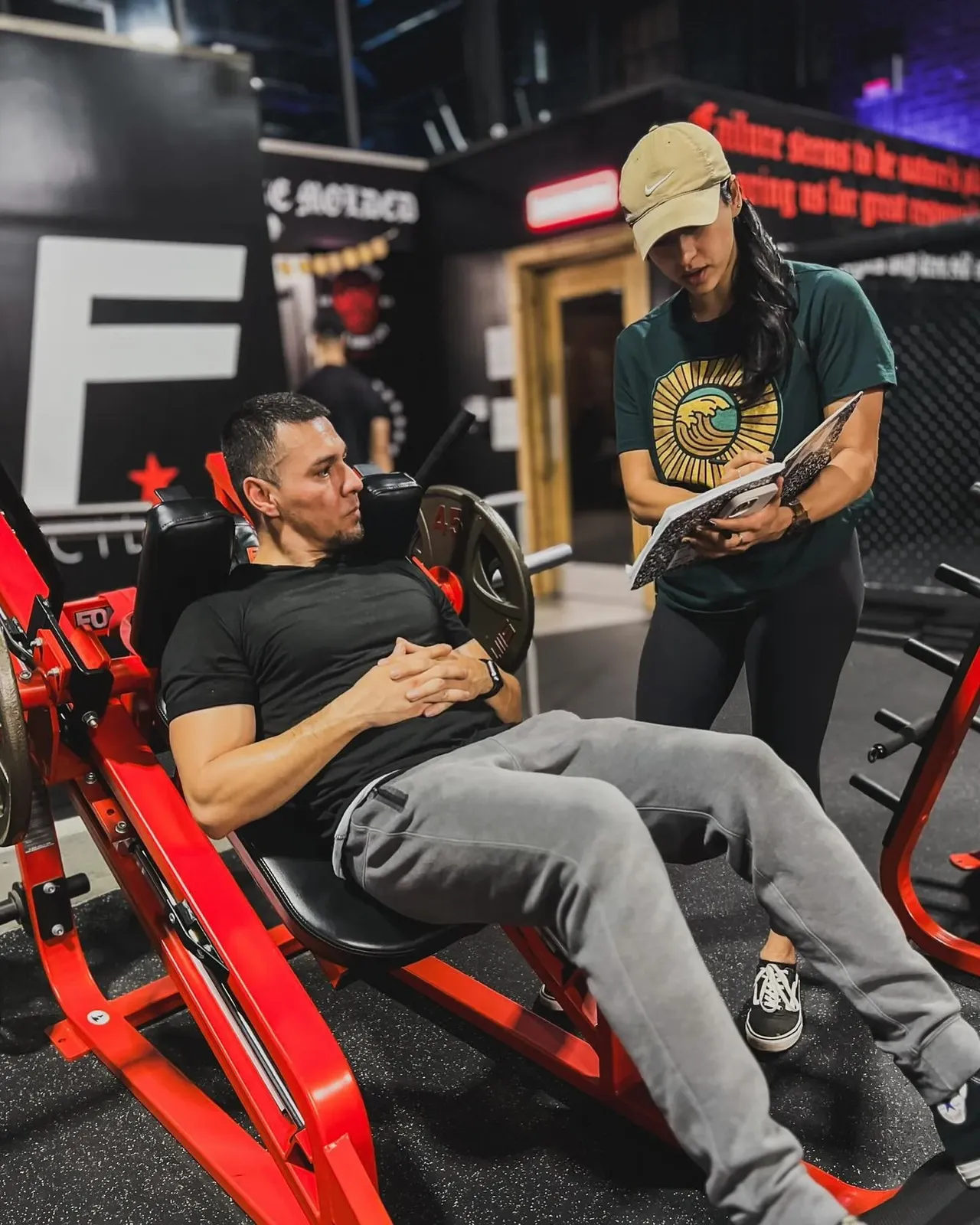
Marcus walked into Trinity Training Facility eleven weeks after ACL reconstruction surgery, and the first thing he said wasn't "when can I squat again." It was "I'm scared to put weight on it." He'd been a linebacker at Wilson High fifteen years earlier, and the surgeon had cleared him for activity, but nobody had told him how to actually load the leg again. He'd gained 22 pounds sitting on the couch, his quad had visibly atrophied, and every time he tried a bodyweight lunge on his own, he backed off after one rep. That fear is the real barrier for most injured athletes in Long Beach — not the tissue itself, but not knowing how much stress it can safely absorb, and when to add more. Progressive overload, applied correctly, is the tool that rebuilds both the tissue and the trust.
What Progressive Overload Actually Means for an Injured Athlete
Progressive overload is usually taught as a simple rule: add weight to the bar over time. For a healthy lifter, that works. For someone six weeks out from a rotator cuff repair or four months out from a lumbar disc injury, that definition is dangerous. Overload isn't just external load — it's the total stress a tissue has to absorb, and that includes range of motion, tempo, ground reaction force, and volume, not just plates on a barbell.
At Trinity, when we start an injured athlete, we don't touch a loaded bar for the first two to three weeks in most cases. Marcus's first "overload" progression was moving from a bodyweight box squat to a 12-inch box, to a 10-inch box, to a slower 4-second eccentric on that same box. The stimulus increased every week. The load on the bar did not change, because there wasn't one yet.
The mistake we see constantly, especially with former athletes, is treating progressive overload as a straight line back to old numbers. A 45-year-old client who used to squat 315 pounds doesn't need to chase 315 again in month two. He needs his tissue to tolerate 95 pounds for eight clean, pain-free reps first. Overload only counts as progress if the tissue actually adapts to it — otherwise you're just accumulating irritation.
The Science: Controlled Load Beats Bed Rest for Tissue Healing
Complete rest feels safe, but it isn't. Immobilized muscle loses strength at a rate of roughly 1 to 1.5% per day, and tendons and ligaments actually remodel weaker and more disorganized when they're not mechanically stressed. This is the basis of what sports medicine researchers call mechanotherapy — the idea that controlled mechanical loading directly signals connective tissue to lay down collagen along the lines of stress it will actually be used for (Khan & Scott, British Journal of Sports Medicine, 2009).
That's why a physical therapist has a post-surgical patient doing isometric quad sets within days of an ACL reconstruction, not weeks. The load has to be present — just at a dose the tissue can handle. Too little stress and the tissue remains weak and disorganized. Too much, too soon, and you re-irritate the repair site or, worse, damage the graft.
This is the part chain gyms and generic apps can't account for. A 24 Hour Fitness program doesn't know Marcus had a hamstring graft versus a patellar tendon graft, and that changes which exercises are safe at week 8 versus week 14. The science says loading matters — but the dose has to be individualized to the specific injury, the specific repair, and the specific person's tissue response, not a template.
Step One: A Real Movement Assessment, Not a Guess
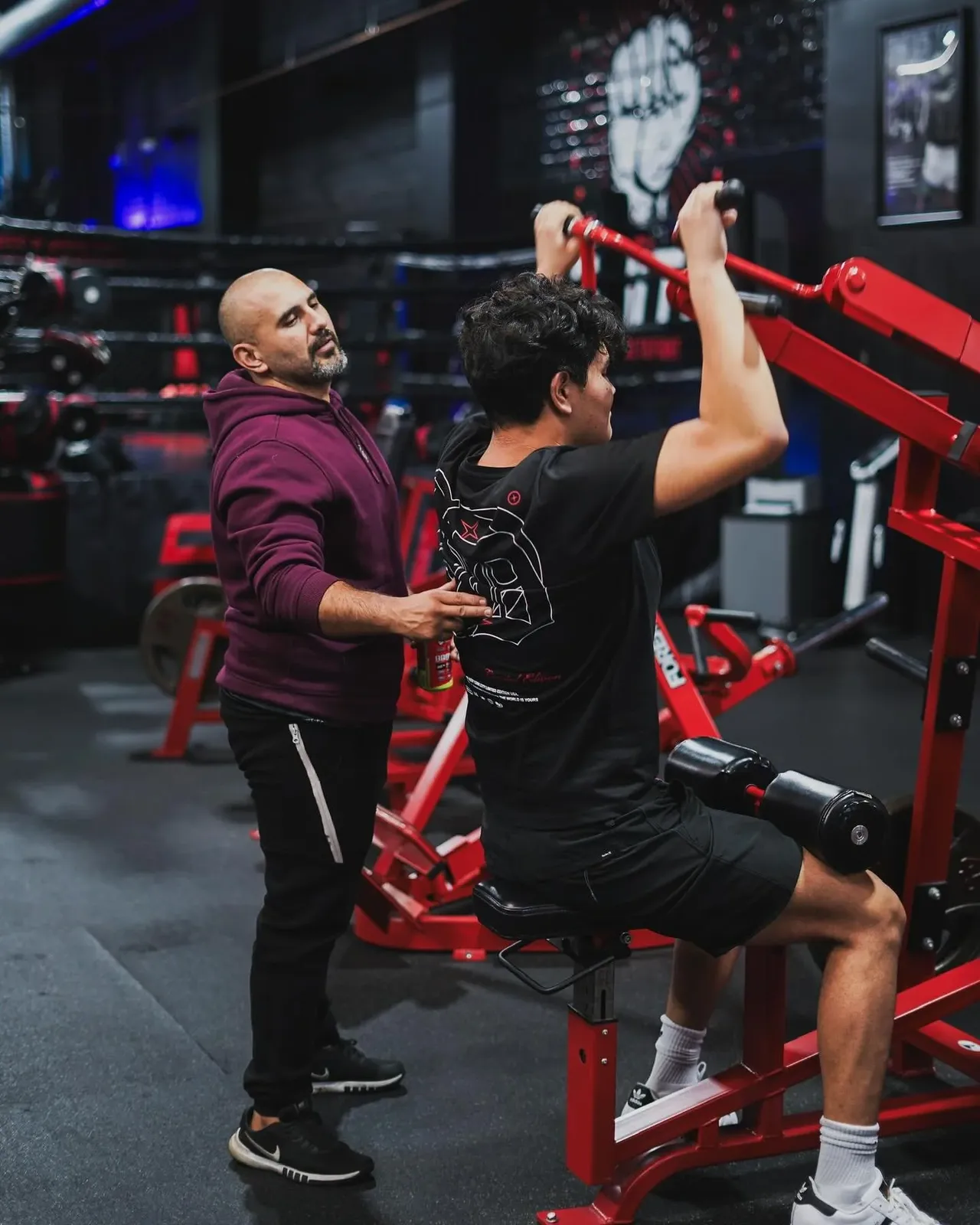
Before we program a single set for an injured client, we spend 60 to 90 minutes on assessment. That includes goniometer-measured joint range of motion, single-leg stance time (we want at least 30 seconds eyes-open before loading single-leg work), an overhead squat screen, a basic hop test comparison between limbs, and a breathing and bracing check, because a lot of low back injuries trace back to poor intra-abdominal pressure control, not just the lift that "caused" the pain.
If a client is within 12 months of surgery, we ask for the surgeon's or physical therapist's notes before we program anything. That's not a formality — a client with a meniscus repair has different loading restrictions than one with a meniscectomy, and guessing wrong can mean a second surgery.
We also set a hard pain ceiling from day one: nothing above a 3 out of 10 during the movement itself, and it has to resolve within 24 hours. Marcus's first session, his single-leg stance on the surgical side was 9 seconds against 34 seconds on the healthy side. That number became our baseline, and we retested it every two weeks. By week six it was 24 seconds. By week ten, 31. Numbers like that tell you the plan is working long before the client feels "normal" again.
The Regression Ladder We Use at Trinity
We build injured athletes back up a ladder, not a straight ramp, and each rung has to be earned before moving to the next:
Marcus spent four weeks in the isometric and eccentric phases, not the two we sometimes see with less severe injuries, because his quad activation was still lagging on EMG-style manual testing at week two. Rushing that phase is the single most common error we correct when a new client transfers from another gym.
A Sample 12-Week Return-to-Strength Framework
Here's a simplified version of the framework we ran with Marcus, adjusted for a lower-body post-surgical case, training twice a week:
Weeks 1–3: RPE 4–5 (very light effort), 2 to 3 sets of 10 to 12 reps, box squats, glute bridges, banded lateral walks, isometric quad sets held 30 seconds.
Weeks 4–6: RPE 5–6, 3 sets of 8 to 10 reps, goblet squats to depth, split squats with bodyweight, step-ups to a 6-inch box, single-leg balance progressions.
Weeks 7–9: RPE 6–7, 3 to 4 sets of 6 to 8 reps, trap bar deadlift introduced at 40% bodyweight, walking lunges, light lateral bounds.
Weeks 10–12: RPE 7–8, 4 sets of 5 to 6 reps, back squat reintroduced at 50 to 60% of pre-injury estimated max, box jumps to a low box, direction-change drills at 70% speed.
By week 12, Marcus was squatting 155 pounds for clean sets of 5, still short of his old 315, but pain-free and with hop-test symmetry at 94%. That's a real number we track for every returning athlete — we don't clear anyone for unrestricted training below 90% limb symmetry on hop testing, regardless of how good the lift looks.
Five Mistakes That Send Injured Athletes Backward
We've corrected the same errors enough times to know exactly where clients get hurt again:
Boxing and Mobility Work as Load Without the Spine Stress
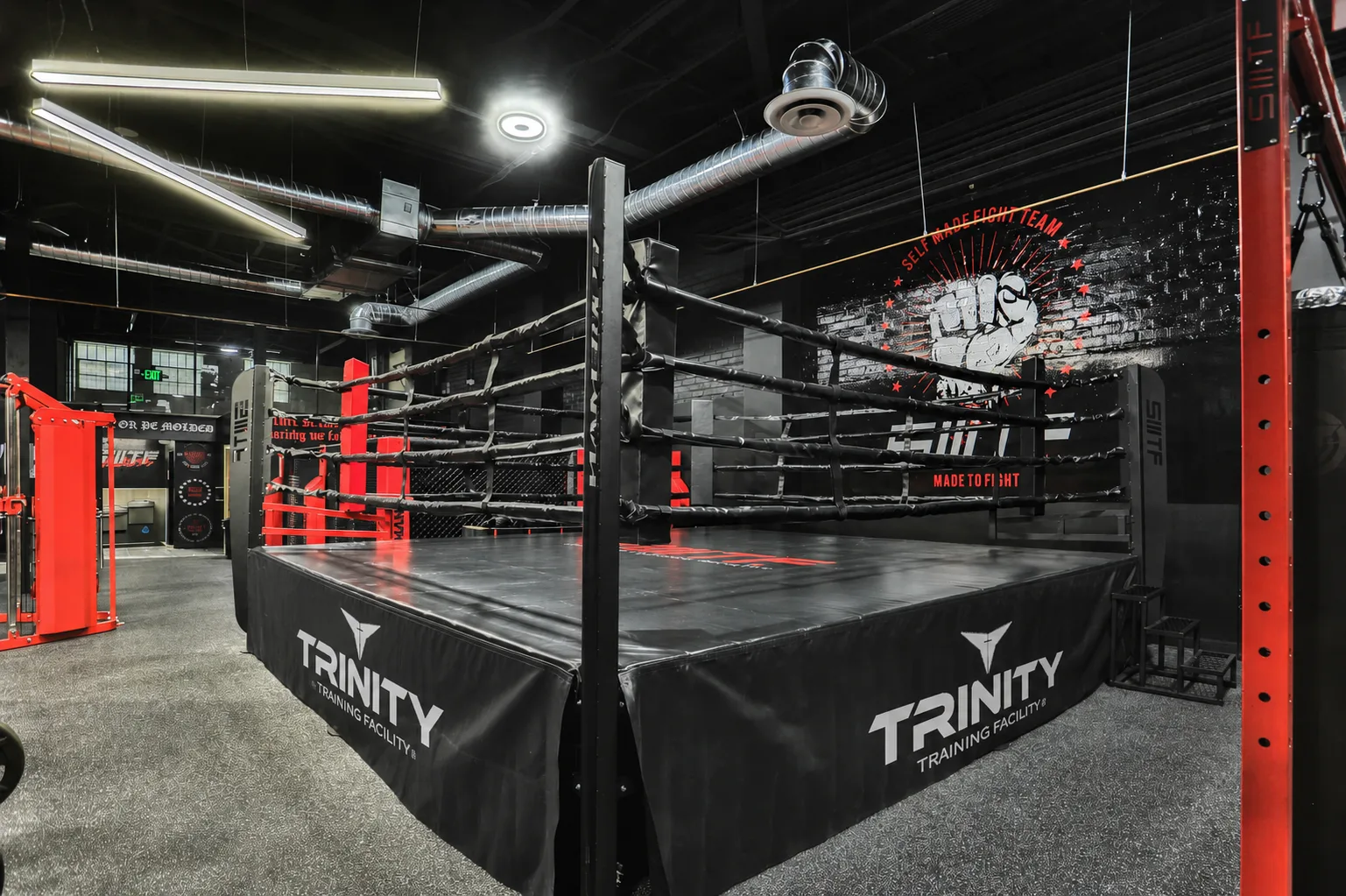
Not every rebuilding phase needs a barbell. Bag work is one of the most underused tools for injured athletes because it builds real cardiovascular and muscular work capacity without axial loading on a healing spine or hip. A moderate 3-round bag session — three 3-minute rounds at a controlled pace with 1-minute rest — can push heart rate into the 130 to 150 beats-per-minute range for a general population client while keeping ground reaction forces low and controllable.
We use light bag work as a conditioning bridge during the eccentric and full-range phases for clients whose injury doesn't involve the shoulders or wrists, since it keeps work capacity from bleeding away while the lower body strength phase progresses more slowly.
Daily mobility work matters just as much. We prescribe a 10 to 15 minute routine — 90/90 hip switches, ankle dorsiflexion rocks against a wall, and thoracic rotations — for nearly every returning athlete, because restricted ankle and hip mobility is one of the most common hidden contributors to knee and low back re-injury. Clients who do this daily consistently regain full squat depth two to three weeks faster than those who only do it during sessions.
Reading Pain vs. Soreness: The 24-Hour Rule
Clients ask constantly how to tell if something is "bad pain" or just training discomfort. We use a simple framework: rate the sensation 0 to 10 during the movement. Anything at or below a 3, especially if it's a dull ache spread across a muscle belly rather than sharp and pinpointed at a joint, is generally acceptable and expected to fade within 24 to 48 hours as normal delayed-onset soreness.
Anything sharp, anything that causes you to alter your movement pattern to avoid it, anything localized directly over a joint line or the surgical site, or anything that's still elevated 48 hours later needs to stop and get reassessed before the next session. We'd rather lose one training day investigating a symptom than lose six weeks to a setback.
Swelling is another marker we track directly — a knee that's visibly puffier the morning after training than it was the day before is telling you the previous session's dose was too high, even if nothing hurt during the workout itself. We log this with clients after every session for the first eight weeks back.
Nutrition and Sleep for Tissue Remodeling
Strength programming only works as fast as the body can rebuild tissue, and that depends heavily on protein intake and sleep, not just the training plan. We target 1.6 to 2.2 grams of protein per kilogram of bodyweight daily for clients actively rebuilding after injury — for a 180-pound client, that's roughly 130 to 180 grams spread across 4 meals.
Vitamin C-rich foods paired with a gelatin or collagen source 30 to 60 minutes before training has shown promise in research for supporting collagen synthesis around loading windows, and it's a low-cost habit we recommend to post-surgical clients specifically.
Sleep is the piece people underrate most. Clients getting under 6 hours a night consistently report slower pain resolution and plateau earlier in the regression ladder than clients hitting 7 to 9 hours. We ask every injured client to track sleep for the first month of programming, because growth hormone release and the bulk of tissue repair activity happen during deep sleep stages, not during the training session itself.
Why Long Beach Athletes Need Individualized Coaching, Not a Generic Program
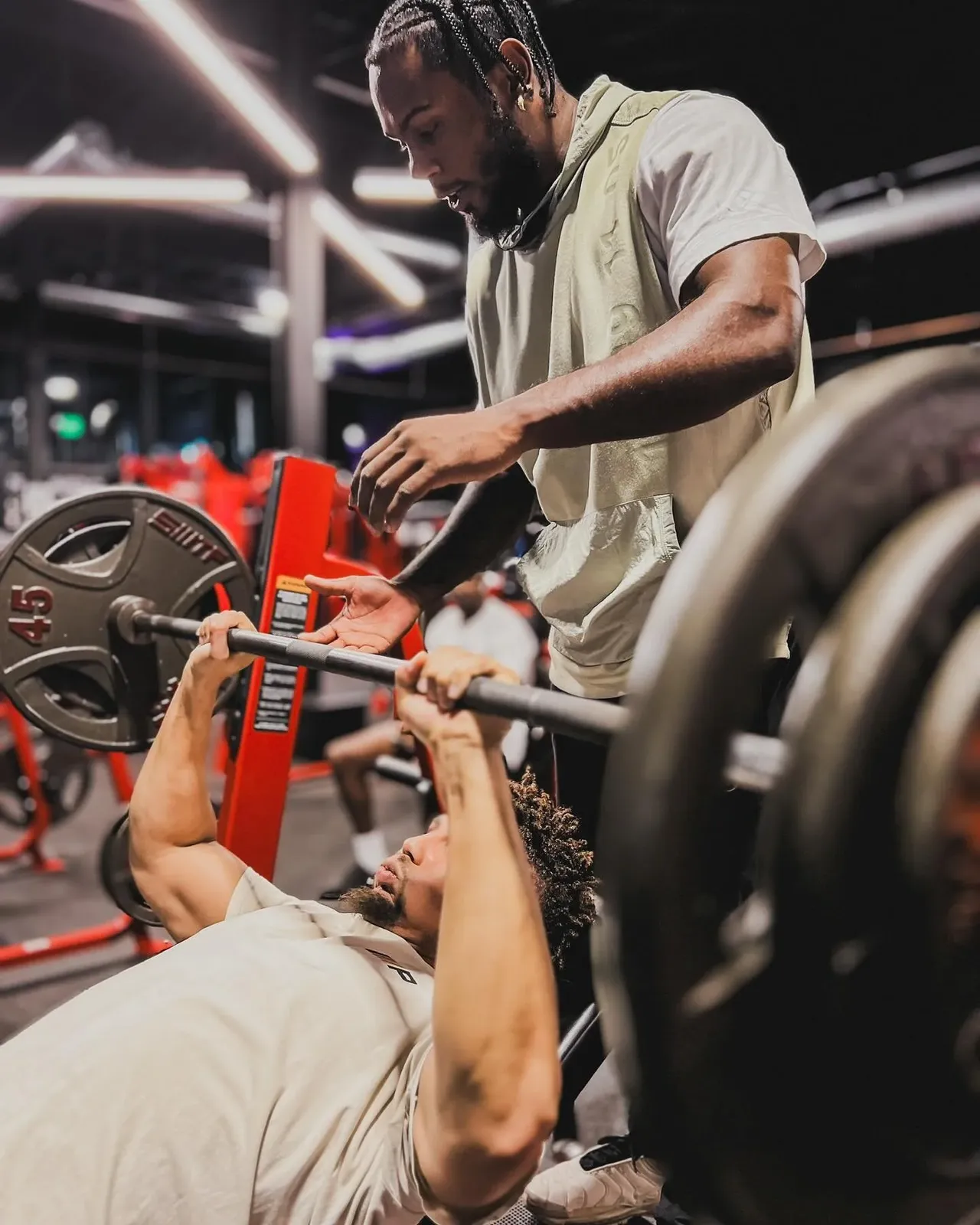
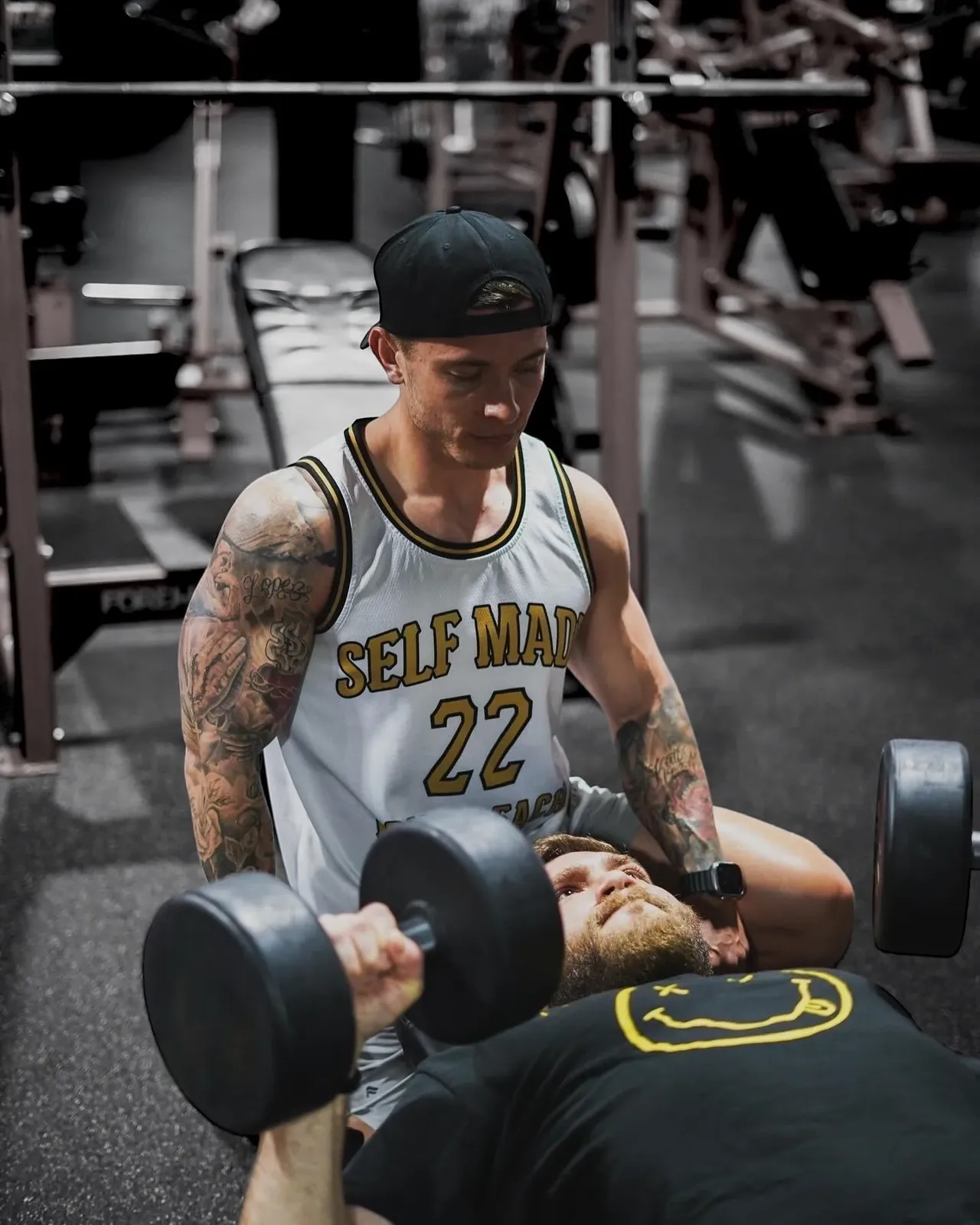
A chain gym membership gives you equipment and a group class schedule. It doesn't give you someone who reads your hop-test asymmetry, adjusts your squat depth week to week based on effusion, or knows the difference between a graft that needs eight weeks of protected loading and one that needs twelve. That distinction is the entire job when you're rebuilding an injured athlete, and it's why generic programming — however well-intentioned — leads to plateaus or repeat injuries for this population more often than it leads to full recovery.
Marcus retested his squat at four months post-op: 225 pounds for a clean set of 3, full confidence, and — his words — "the first time since the surgery I forgot I even had a knee." That's the actual goal of progressive overload for an injured athlete: not just restored numbers, but restored trust in the joint.
If you're rebuilding from an injury and don't know where to start loading again, book a movement assessment at Trinity Training Facility in Long Beach. We'll test your baseline, build the regression ladder specific to your injury, and get you back to real strength without guessing.
Key Takeaways
- Progressive overload after injury increases total stress through range of motion, tempo, and volume, not just barbell weight.
- Immobilized muscle loses roughly 1 to 1.5% of strength per day, so controlled loading beats complete rest for tissue healing.
- A proper regression ladder moves from isometric holds to eccentric tempo work to full-range light load before heavy compound lifts return.
- Pain above a 3 out of 10, or anything sharp and localized at a joint line, is a stop signal, not something to push through.
- Hop-test limb symmetry should reach at least 90% before an athlete is cleared for unrestricted training.
- Protein intake of 1.6 to 2.2 grams per kilogram of bodyweight and 7 to 9 hours of sleep directly speed tissue remodeling.
Sources
- Khan KM, Scott A. "Mechanotherapy: how physical therapists prescribe exercise for connective tissue repair" — British Journal of Sports Medicine
- National Strength and Conditioning Association — Resources on Resistance Training Progression
- American College of Sports Medicine — Resistance Training Guidelines
- PubMed — National Library of Medicine, Musculoskeletal Rehabilitation Research