






Recovery Is Programmed Training, Not a Day Off
Why sleep, sauna, mobility, and deloads are part of your training program at Trinity Training Facility in Long Beach. Book a tour.
The work that makes you stronger happens between sessions, so recovery gets programmed with the same intent as your lifts.
You don't get stronger during the session. You get stronger after it, while you sleep, eat, and let the tissue you just beat up rebuild. Training is the stimulus. Recovery is where the adaptation actually happens. If you only manage the first half, you're leaving most of the result on the table.
At Trinity, we treat recovery as programmed training, not a reward for good behavior and not a day you 'earn.' Same intent, same structure, same accountability as the work on the floor. Here's how to think about it, and why the tools we built into the building exist.
Hard training is a controlled injury. Recovery is the repair.
Every serious session creates damage on purpose: micro-tears in muscle, a stressed nervous system, depleted glycogen, elevated inflammation. That stress is the point. The problem is the stress alone doesn't make you better. The adaptation comes when your body over-repairs the damage during recovery, and it can only do that if you give it the raw materials and the time.
Train hard, recover poorly, and you don't get the adaptation. You just accumulate fatigue. Do that for weeks and you're not progressing, you're grinding, and eventually something in the kinetic chain gives. Most people who plateau aren't undertraining. They're under-recovering.
Sleep is the single highest-leverage thing you're probably neglecting
If recovery had a hierarchy, sleep sits at the top. It's when growth hormone releases, when the nervous system resets, and when motor learning gets consolidated. No supplement, no modality, nothing else in the building comes close.
You don't have to take that on faith. Stanford researchers had their varsity basketball players extend sleep to around ten hours a night. Sprint times dropped, reaction time improved, and free-throw and three-point accuracy each jumped about nine percent. Same athletes, same skill, more sleep. That's the size of the effect you're leaving on the table when you run on six hours and call it discipline.
So we program it. If you're chasing a real strength or body-composition goal, seven to nine hours isn't optional, it's part of the plan. We'll ask about it the same way we ask about your last squat session, because it matters at least as much.
The sauna isn't a spa amenity. It's a recovery tool.
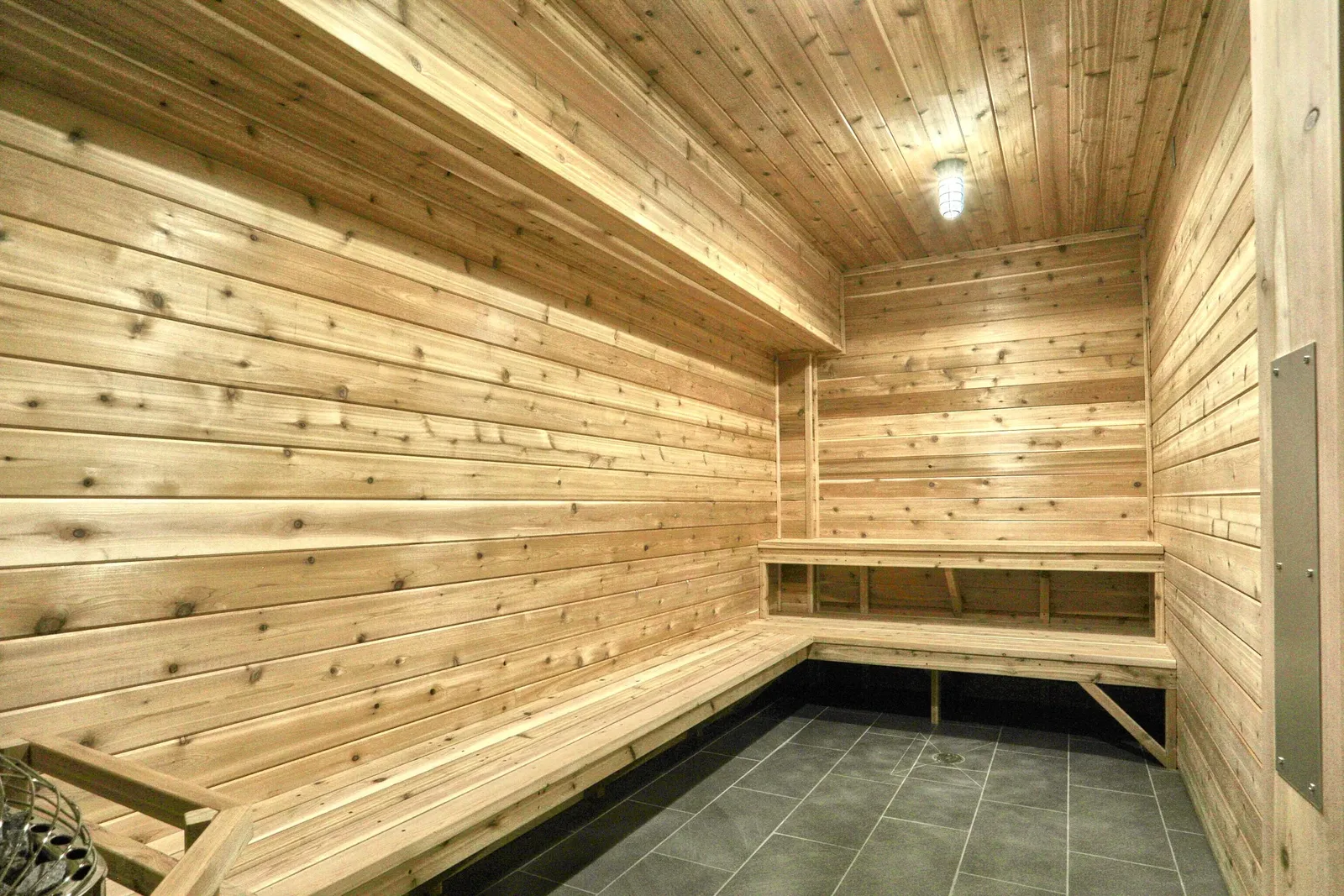
We built a 15-person cedar sauna on site, and it's not there to look nice in photos. Heat exposure drives blood flow, supports cardiovascular conditioning, and gives your nervous system a reliable way to downshift after hard work. It's one of the few recovery tools with real long-term data behind it.
A 20-year Finnish study following more than 2,000 men found that frequent sauna use tracked with substantially lower cardiovascular and all-cause mortality, in a clear dose-dependent pattern, the more sessions per week, the larger the association. That's not a training study, but it tells you heat exposure is doing meaningful work on the same systems you're trying to condition.
Practically: use it after training or on off days. Ten to twenty minutes, hydrate, listen to your body, and treat it as part of the session rather than an afterthought. It also happens to be the best place in the building to think.
Mobility and soft-tissue work keep you in the game
Mobility isn't stretching for its own sake. It's owning the range of motion your lifts demand so you can load a position safely instead of borrowing range from a joint that shouldn't be giving it. A clean overhead position, real depth in a squat, hips that rotate the way they should, that's what keeps you training for years instead of cycling through tweaks.
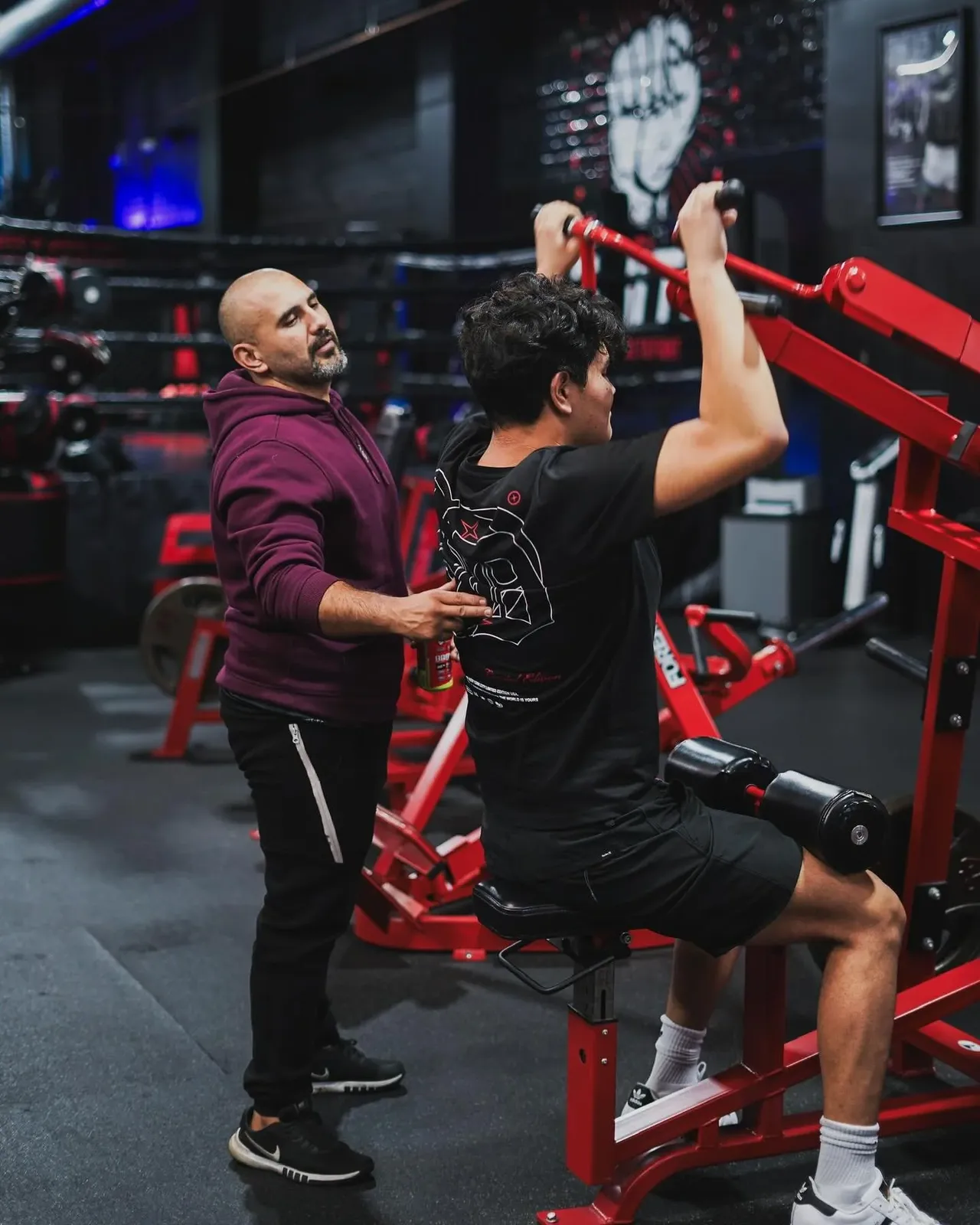
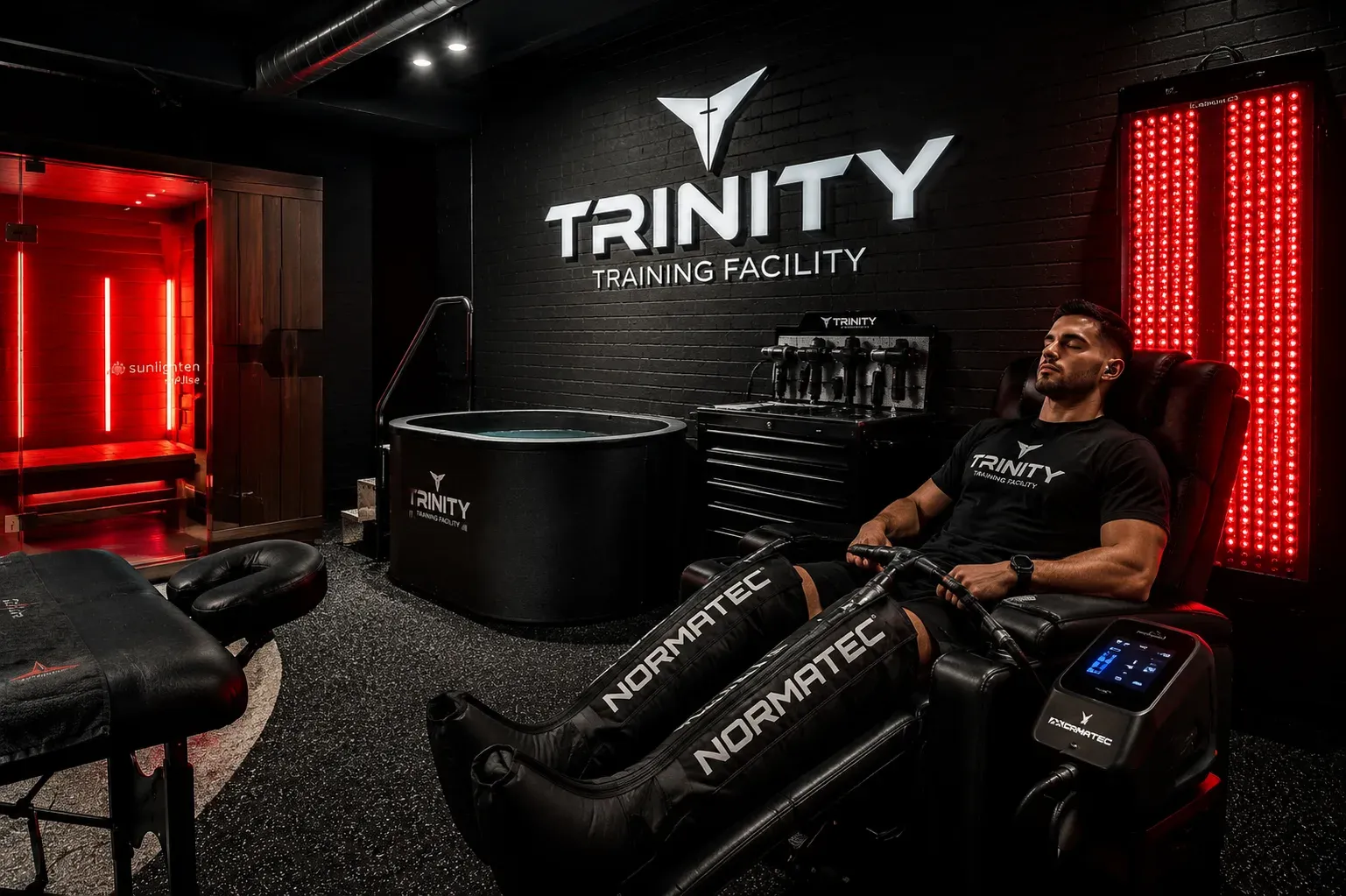
That's also why we have a dedicated recovery zone and a sports massage and treatment room on site. Soft-tissue work manages the knots and restrictions that quietly wreck your mechanics before they turn into the thing that sidelines you. A ten-minute intervention on a cranky shoulder now is a lot cheaper than eight weeks off later. With 43 trainers on the floor, someone here can look at how you move and tell you where the actual restriction is.
Deloads: planned backing-off is not weakness
You cannot add intensity forever. Push load and volume week after week with no relief and fatigue eventually outpaces your ability to recover from it. Performance stalls, then drops, and the risk of injury climbs. The fix isn't more grit. It's a deload.
A deload is a planned, temporary reduction in volume or intensity, usually every four to eight weeks depending on how you're training and how you're built, that lets accumulated fatigue clear so the fitness you've been building underneath actually shows up. Athletes who program deloads come back stronger, not softer. The ones who refuse to back off are the ones who blow up a joint chasing a number their body already told them to wait on.
Backing off on purpose is a strategic decision, not a moral failing. If your program doesn't have deloads written into it, it isn't really a program. It's just a to-do list that ends in burnout.
Why this is built into the building
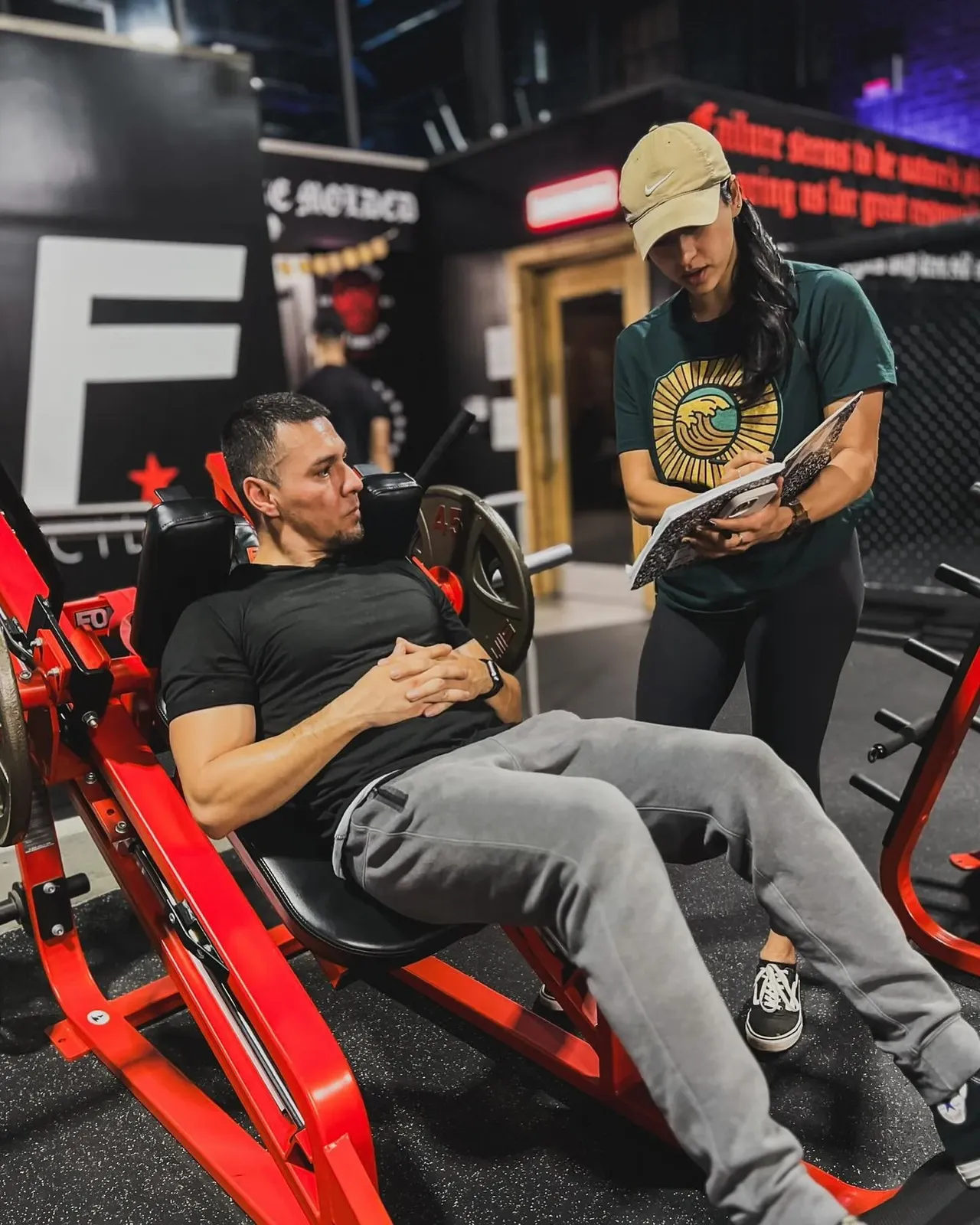
Trinity is 14,000 square feet in the East Village Arts District in Long Beach, and we spent real square footage on recovery on purpose: the cedar sauna, the recovery zone, the treatment room. That's a statement about how we think training works. The floor gives you the stimulus. The recovery side is where you actually cash it in.
Owner Adam Mai built this room for people who are serious about getting a result and want the whole system handled, not just an hour of getting tired. If that's you, the best way to see it is to come stand in it.
See how we program it
The fastest way to understand what programmed recovery looks like is to walk the floor, sit in the sauna, and talk to a trainer about where your recovery is actually leaking. Book a tour and come take a look, or grab a free intro session and feel the difference in how a real program is structured.
Bring your questions. We'll be straight with you about what it'll take.
Key Takeaways
- You adapt during recovery, not during the session, so recovery gets programmed with the same intent as your training.
- Sleep is the highest-leverage recovery tool; a Stanford study showed extended sleep improved sprint speed, reaction time, and shooting accuracy in athletes.
- Trinity's on-site cedar sauna, recovery zone, and treatment room exist to support real recovery, not as amenities.
- Deloads are planned reductions in volume or intensity that clear fatigue so your fitness shows up; skipping them plateaus you or gets you hurt.
- A tour or free intro session is the fastest way to see how programmed recovery actually works.