Why Private Training Beats Chain Gyms (For People Who Actually Train)
A breakdown of what you get at Trinity that 24 Hour, Crunch, and Equinox don't — and why it matters if you're trying to actually change your body.
There are 47 gyms within five miles of Trinity. You can pay $9.99 a month for a chain gym treadmill, $200 a month for an Equinox tower, or $1,200 a month for a trainer who actually knows your name. Most people pick wrong — not because they want to, but because nobody ever tells them what they're actually buying.
I built Trinity because the gyms I trained in didn't deserve the work. Here's what you're actually buying when you train at Trinity vs. anywhere else in Long Beach.
1. You're buying programming, not equipment
A chain gym sells you access to dumbbells and a treadmill. A private training gym sells you a program built for your goals, your injury history, your calendar, and your current capacity. The dumbbells are the same. The plan is not.
Most people who quit gyms don't quit because the equipment was bad. They quit because they didn't know what to do with it, didn't see results, and got bored. Programming fixes all three.
2. You're buying accountability
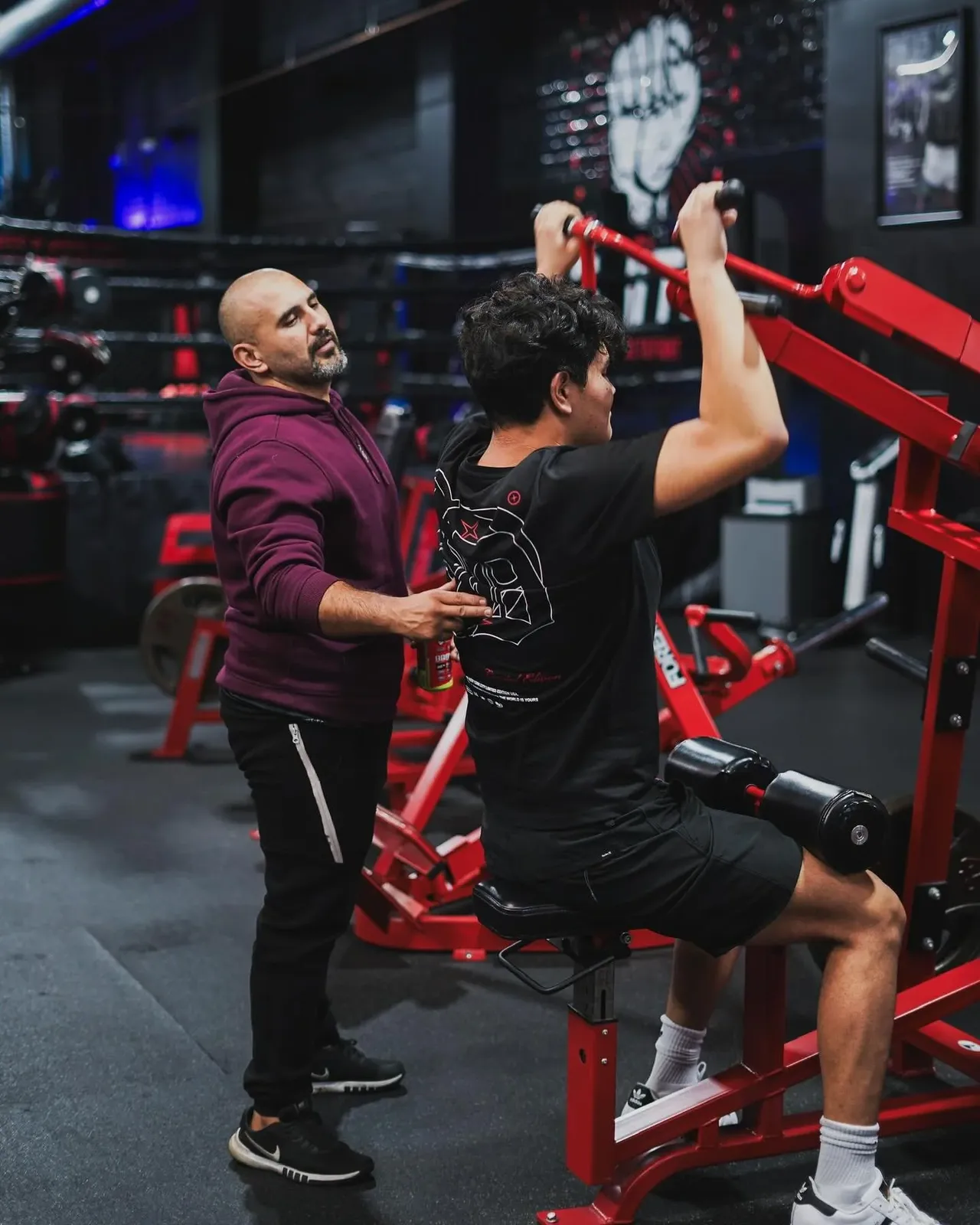
When you have a 6am session with Bren on Thursday, you show up Thursday. When your gym is "open 24/7" and you can "go anytime," you go never. This isn't a personality flaw — it's how human attention works. The gym that schedules you wins.
3. You're buying real training, not influencing
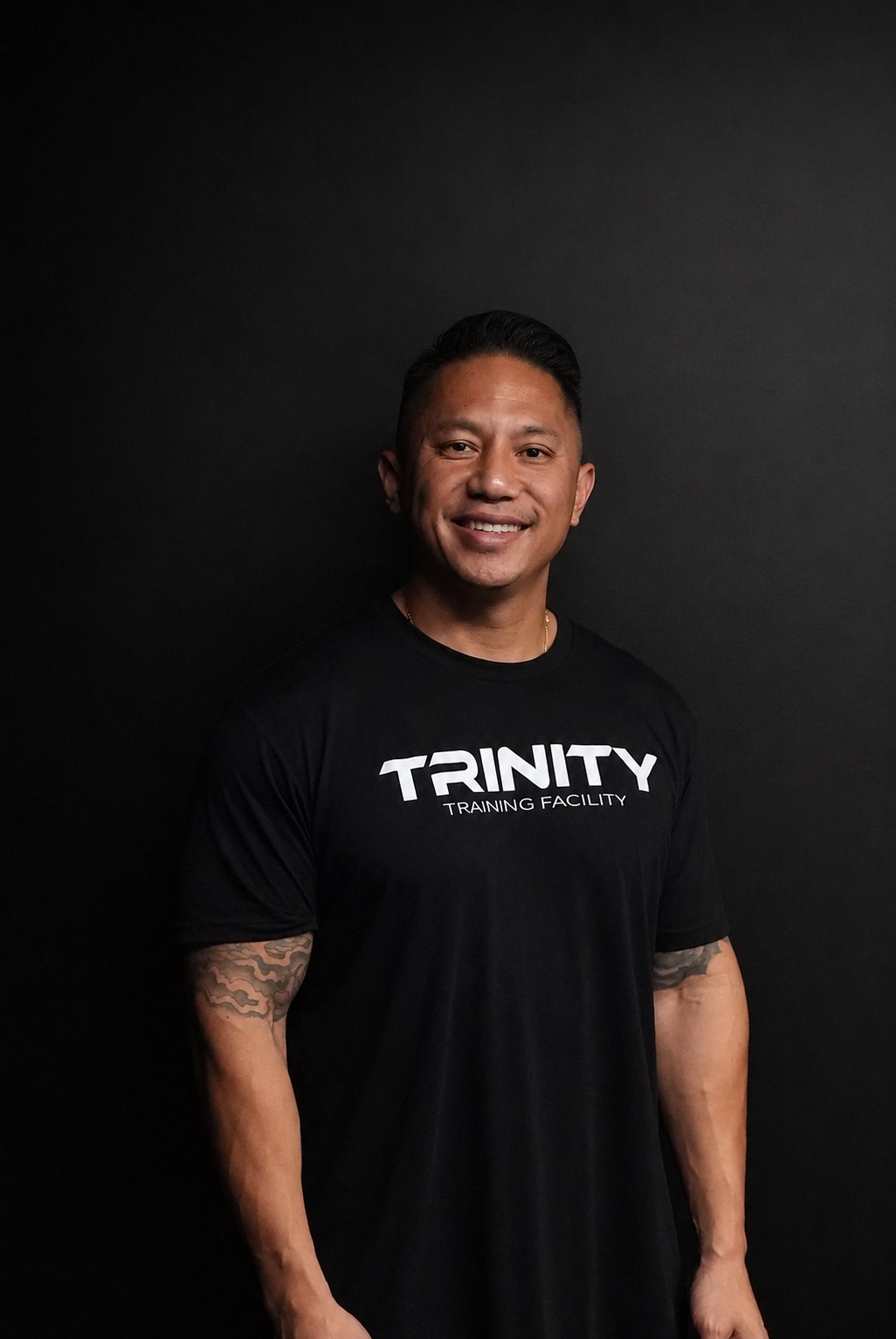
Every trainer at Trinity has been certified, vetted, and personally interviewed by Adam Mai before they get a client. There are 46 of us. Some specialize in strength & conditioning, some in boxing, some in post-rehab, some in women's training, some in nutrition. The trainer you got assigned at LA Fitness on day one was 24, fresh out of NASM, and being paid $14 an hour to upsell you supplements.
That vetting is the whole difference. A chain gym hires whoever passed a weekend cert and can sell a package. Trinity brings on independent coaches who already have a track record and a reason to keep you — because at Trinity the trainer is the product, not the treadmill. If your coach isn't getting you results, you leave, and they lose income. That incentive alignment doesn't exist at a $40-a-month membership mill.
4. You're buying the room
Trinity is 14,000 square feet broken into a strength floor, a regulation boxing ring, an on-site sports massage room, a 15-person cedar sauna, a recovery zone, three private studios, and on-site meal prep. Your chain gym is a basement with mirrors. The room you train in matters.
5. You're buying the floor culture
At Trinity, nobody films their set for TikTok. Nobody hogs a rack while scrolling. Nobody walks in to "see how things go." The people on the floor at 6am Thursday are the same people you'll see at 6am every Thursday for the next two years. You become one of them — and our VIP membership is built for exactly that kind of ongoing training. That's the unlock.
6. Run the actual math before you decide it's expensive
People call private training expensive, then quietly pay for four things that add up to more. Here's the real comparison, monthly:
The scattered way: chain gym membership ($40) + a few sessions with a freelance trainer at $80–120 each ($400+) + a boutique boxing or bootcamp class pack ($150–250) + a massage or recovery membership ($120) + a sauna day-pass habit. You end up driving to four locations, coordinating four schedules, and spending $700–900 — for a program nobody is actually connecting together.
The Trinity way: one address, one coach who knows your full picture, and every room — floor, ring, treatment room, sauna — under one roof. When your strength work, your conditioning, and your recovery are run by people who talk to each other, you don't just spend less. You progress faster, because nothing is working against anything else.
Where Trinity sits — and who trains here
Trinity is in Long Beach's East Village Arts District at 117 W 5th Street, a straight shot for anyone training out of Downtown Long Beach, Belmont Shore, Bixby Knolls, Signal Hill, Lakewood, or Seal Beach. Our members aren't all competitive athletes — most are working adults, parents, first responders, and business owners who are done guessing in a commercial gym and want a room where the standard is high and the plan is theirs. See who you'd be training with on the trainer roster, or read what it's actually like on the floor in What Is Trinity.
So who's Trinity actually for?
If you want to lose 80 pounds, fight at 155, recover from a torn ACL, deadlift 500, or just stop feeling like a stranger in your own body — Trinity is built for that. If you want a cheap treadmill and a sauna nobody cleans, you can save a thousand dollars a month somewhere else.
The first session is free. Book a tour and walk the floor before you decide.