Building Resilience Through Progressive Overload: A Long Beach Strength Training Guide
Progressive overload builds more than muscle — it builds resilience. A Long Beach trainer's guide to programming, tracking, and sustaining real strength.
Progressive overload builds resilience by systematically increasing training demands — through load, volume, density, or range of motion — faster than the body degrades but slower than it can adapt. In our Long Beach clients, this looks like adding 2.5-5 lbs per session on compound lifts, tracking RPE weekly, and deloading every 4-6 weeks. The result isn't just bigger lifts; it's a body that handles life's physical demands without breaking down.
The Wall Most Lifters Hit Around Week Six
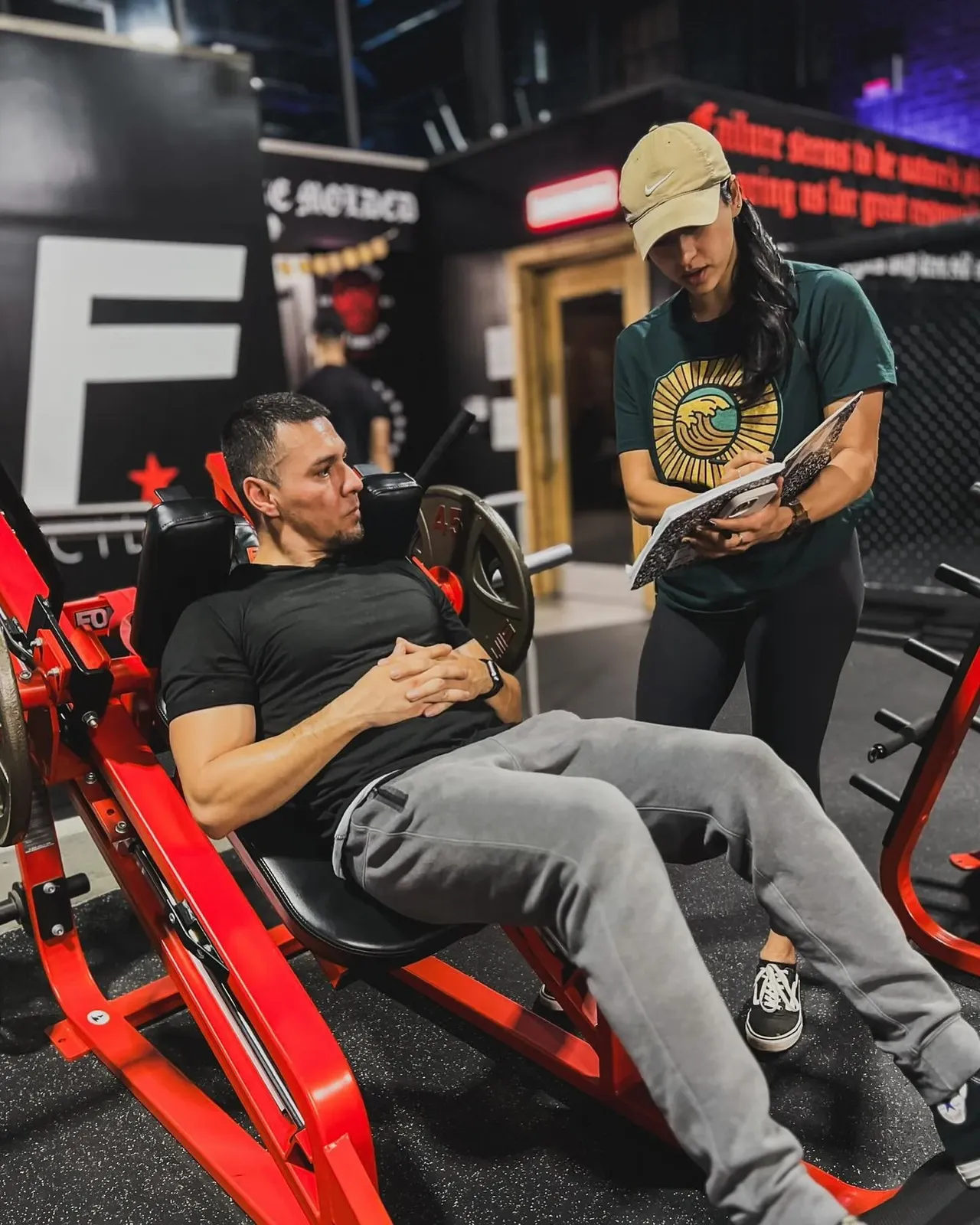
Marcus was 42 when he first walked into our facility off 2nd Street. He'd been doing the same dumbbell circuit at a big-box gym for over a year — same weights, same reps, same 45-minute session three times a week. He was consistent. He just wasn't changing. His bench had been stuck at 135 lbs for eight months, and his lower back tightened up every time he tried to push past it.
This is the most common story we hear in Long Beach: someone who trains hard but doesn't train with a plan. Effort without progressive overload produces fatigue, not adaptation. Marcus wasn't lazy or undisciplined. He simply had no mechanism forcing his body to get stronger, so his body stopped bothering to change.
Within his first 8-week block with us, we had him adding 5 lbs to his bench every other session and logging every set. By week six he benched 165 lbs for the first time in his life. More importantly, his shoulders and lower back stopped bothering him, because the load increases were planned instead of accidental spikes on a random heavy day.
That's the difference between training and programming. This guide breaks down how progressive overload works, why it's the mechanism behind both strength gains and injury resilience, and exactly how we structure it for clients balancing desk jobs, beach volleyball weekends, and weekend surf sessions against a real strength goal.
What Progressive Overload Actually Means (And What It Doesn't)
Progressive overload is the systematic increase of stress placed on the body during training, applied at a rate the body can adapt to. That's the technical definition. In practice, it means one of five things is going up over time: the weight on the bar, the number of reps at a given weight, the number of sets, the density of the session (same work, less rest), or the difficulty of the movement itself — think goblet squat to front squat to back squat.
What it doesn't mean is training to failure every session, adding weight every single week no matter what, or chasing soreness as a proxy for progress. We've had new clients show up sore from a bad HIIT class the day before and treat that soreness as a badge of honor. Soreness is not a training metric. Bar weight, rep count, and how a lift felt at a given RPE are.
Our full breakdown of how to apply this safely without wrecking your joints in the process lives in our trainer's guide to progressive overload in Long Beach, which walks through the exact load progression we use with new clients in their first 90 days.
Here's a number that surprises people: research compiled by the American College of Sports Medicine shows that novice lifters can safely progress load 1-2% per session for the first several months of training, while advanced lifters need 2-3 weeks between meaningful load increases just to consolidate a new strength level. If you're still adding 5 lbs a week after two years of training, either your program is too easy or your definition of "adding weight" needs auditing.
Resilience Is the Real Goal — Muscle Is the Byproduct
We named this article around resilience on purpose. Most people walk in wanting bigger arms or a faster 5K time, but what actually keeps them training three years later is that their body stops failing them. Resilience is the capacity to absorb physical stress — a heavy suitcase, a bad step off a curb, a set of 20 burpees your friend talked you into — without getting hurt or wiped out for three days.
Muscle mass is one output of progressive overload. Tendon stiffness, bone density, and joint stability are the others, and they matter more for long-term function. A 2019 Cochrane review of progressive resistance training in older adults found consistent improvements in physical function and a measurable reduction in fall-related injury risk, independent of how much muscle size actually changed.
We see this constantly with clients in their 40s and 50s. A woman named Denise came to us after a knee scope, terrified of stairs. Eighteen months of progressively loaded step-ups, split squats, and single-leg deadlifts later, she was hiking Cowles Mountain on weekends. Her quad strength on the surgical leg went from roughly 70% of her healthy leg to full parity, tested with simple rep-max comparisons every 8 weeks.
That's resilience. It's not a metaphor — it's a measurable outcome of loading tissue in a planned, progressive way and giving it time to remodel. If your training program isn't building toward that, it's entertainment, not preparation.
Who We See Walk Through Our Doors in Long Beach
Three client types show up most often, and each needs a different entry point into progressive overload. The first is the 35-55 desk-job client whose main enemy is a decade of sitting — tight hips, weak glutes, a back that "goes out" doing yard work. For this group we start conservative: bodyweight and light-load patterning for 2-3 weeks before we touch meaningful external load.
The second is the former athlete, usually 25-40, who played a sport in college and assumes their body remembers everything. It doesn't. We've had former Division I players unable to do a proper single-leg RDL because ten years of general gym-going eroded the specific motor patterns that used to be automatic. Their ego wants heavy weight on day one; their tendons need six weeks of ramp-up first.
The third is the post-rehab client, referred by a physical therapist after a knee, shoulder, or back issue. This group benefits most from the structured approach we outline in our guide to functional strength exercises for your 40s and beyond, which prioritizes control and range of motion before load.
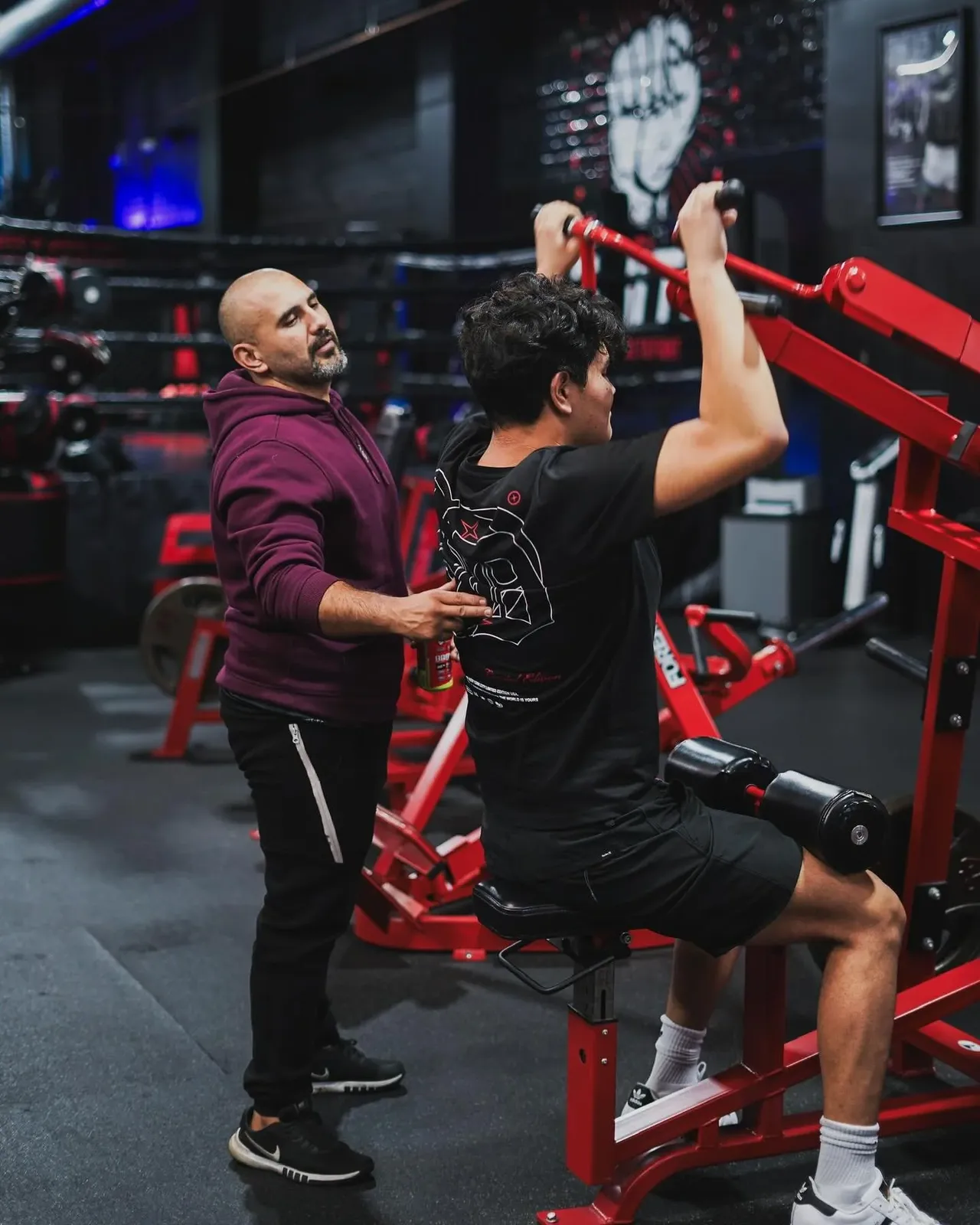
Across all three groups, the mistake we correct most often is impatience. Clients want to add weight faster than tissue can adapt. Our job is holding the line on the plan even when someone feels ready to jump ahead — because feeling ready and being structurally ready are two different things, and the gap between them is where injuries happen.
Six Levers You Can Pull to Keep Progressing
When people say "I can't add weight anymore," they usually mean they've run out of one lever, not all of them. There are six variables in any program, and rotating through them is how you keep progressing for years instead of months.
We built our whole framework at the facility around rotating these levers deliberately, detailed further in our strength framework for Long Beach lifters. A client stuck on bench press for six weeks isn't necessarily weak — they may just need a density block instead of another load attempt.
An 8-Week Progressive Overload Block You Can Run Today
Here's the actual structure we run with intermediate clients, three sessions a week, built around five compound movements: squat, hinge, horizontal press, vertical pull, and a loaded carry.
Weeks 1-2: Establish baseline. Work at a weight you can hit for 3 sets of 8 at an RPE of 7 (three reps left in the tank). Log every number.
Weeks 3-4: Add load. Increase 5 lbs on lower body, 2.5 lbs on upper body each week if the prior week's reps were completed with good form. RPE should climb toward 8.
Week 5: Deload. Drop volume to 2 sets, drop load by roughly 15%. This is not a rest week from training — it's a rest week from strain, and it's what allows week 6 to hit new numbers.
Weeks 6-7: Push. This is where most clients hit new personal records, because the deload let connective tissue and the nervous system catch up to the strength already built in weeks 1-4.
Week 8: Test. Work up to a heavy set of 3-5 reps on your main lifts and record the number. Compare against week 1. Clients following this structure typically add 8-15% to their major lifts over the eight weeks, more on their weaker patterns.
For clients who want a longer-range version of this same logic mapped across 12 weeks with multiple mesocycles, we go deeper in our periodized strength training plan guide, which is the natural next step once an 8-week block stops producing new numbers.
Five Mistakes That Stall Progress (And Cost You Months)
We've coached hundreds of clients through progressive overload cycles, and the plateaus almost always come from the same five errors.
Correcting even two of these in a client's program is usually enough to restart progress within two to three weeks.
Recovery: The Half of Programming Nobody Programs
Progressive overload is the stimulus. Recovery is where the adaptation actually happens. Skip that half of the equation and you're just accumulating fatigue with nothing to show for it except joint pain and a stalled log book.
Sleep is the biggest lever most clients ignore. Research summarized by the National Institute on Aging links adequate sleep directly to muscle protein synthesis and connective tissue repair — the actual biological process progressive overload depends on. Clients averaging under 6 hours a night see roughly 20-30% slower load progression in our experience tracking their training logs, even when their programming is identical to well-rested clients.
Protein timing matters less than total daily intake, but we still recommend 30-40g within two hours post-session for clients training in a loading phase. Hydration and basic mobility work — 10 minutes of hip and thoracic spine mobility, three days a week — reduce the nagging stiffness that otherwise gets misread as "not ready to add weight" when it's really just a mobility gap.
The most overlooked recovery tool is simply the deload week described earlier. Clients resist it because it feels like losing momentum. In reality, strength gains made in weeks 3-4 of a block don't fully express themselves until the nervous system and connective tissue get the reduced-strain week to catch up. Skip it and you cap your own ceiling.
Tracking What Matters: The Numbers We Actually Watch
You cannot manage what you don't measure, and "I feel stronger" is not a data point. Every client on our floor tracks four numbers weekly: load per lift, reps completed at that load, RPE, and bodyweight trend (not daily fluctuation, the 7-day average).
RPE is the number that catches problems early. If a client's RPE on a familiar weight climbs from 7 to 9 over two weeks with no change in the program, that's a recovery flag showing up roughly two weeks before performance actually drops on paper. We adjust volume down before a plateau even happens, rather than reacting after the fact.
We also track a simple ratio: weekly tonnage (sets × reps × load) trending upward over a rolling 4-week window. A single bad session doesn't matter if the trend line over a month is climbing. This is the same logic behind the training cycles we outline in our guide to strength training cycles for long-term progress, built for clients who want a repeatable system rather than a one-off program.
For clients focused on physique rather than pure strength numbers, we add circumference measurements (waist, hips, arms) every 4 weeks and progress photos in consistent lighting. Scale weight alone misses the point when someone is adding muscle and losing fat simultaneously, which is common in the first 12-16 weeks of a structured program.
Knowing When to Push and When to Deload
The clients who make the fastest long-term progress aren't the ones who push hardest every session — they're the ones who know which session to hold back on. We use three signals to make that call, and we teach clients to self-monitor the same way.
First, bar speed on submaximal loads. If a weight that normally moves crisply starts grinding at the same RPE target, that's a fatigue signal, not a strength signal. Second, resting heart rate — a jump of 5-8 beats per minute above baseline on waking, sustained for 2-3 days, usually means the nervous system needs a lighter week. Third, and simplest: two consecutive sessions of missed rep targets at a weight that was previously manageable.
Any one of these on its own might be a bad night's sleep. Two or more together mean it's time to back off load by 10-20% for a week rather than grinding through and risking a tendon issue that costs a month instead of a week.
On the other end, don't hold back when the signals are green. Clients hit RPE 6-7 on their target reps two sessions in a row with clean form is the cue to add load, not wait for a "perfect" week that never comes. Confidence in these signals is what separates a program that lasts three years from one that gets abandoned after three months.
Marcus, the client we opened with, is 18 months into training with us now. His bench sits at 205, his lower back hasn't flared up since that first block, and he's coaching his own kid through the same progressive overload principles at home. That's the actual goal — not a single number on a bar, but a body that keeps adapting instead of breaking down. If you're stuck at the same weights you were lifting six months ago, or you're tired of programs with no plan behind them, book an assessment with our team in Long Beach and we'll build the next eight weeks around numbers that actually move.
Key Takeaways
- Progressive overload only works when it's measured — adding weight, reps, sets, or reducing rest time without tracking is guessing, not programming.
- Resilience is built in the recovery window, not the workout itself; under-recovered clients stop adapting even when the program is technically sound.
- Most plateaus at our facility trace back to one of five causes: static loading, poor sleep, under-eating protein, skipping deloads, or ego-driven form breakdown.
- A structured 8-week block with a planned deload in week 5 outperforms open-ended 'add weight when you can' programming for clients over 35.
- Tracking RPE alongside load catches overreaching about two weeks before performance actually drops.
- Deload weeks are not optional recovery — they are the mechanism that lets the next block of overload actually stick.
Sources
- American College of Sports Medicine — Progression Models in Resistance Training for Healthy Adults
- National Institute on Aging — Four Types of Exercise Can Improve Your Health and Physical Ability
- Cochrane Library — Progressive Resistance Strength Training for Improving Physical Function in Older Adults