






How Strength Training Speeds Injury Recovery
Strength training rebuilds tissue and confidence after injury. Long Beach guide to safe return-to-strength timelines, programming, and mistakes to avoid.
Strength training speeds injury recovery by rebuilding tissue strength, neuromuscular control, and confidence that rest alone can't restore. A safe return follows three phases — protection, isometric loading, and progressive reloading — typically over 6 to 12+ weeks depending on the injury, with load increased in small increments based on symptoms, not the calendar.
When "Rest" Becomes the Injury
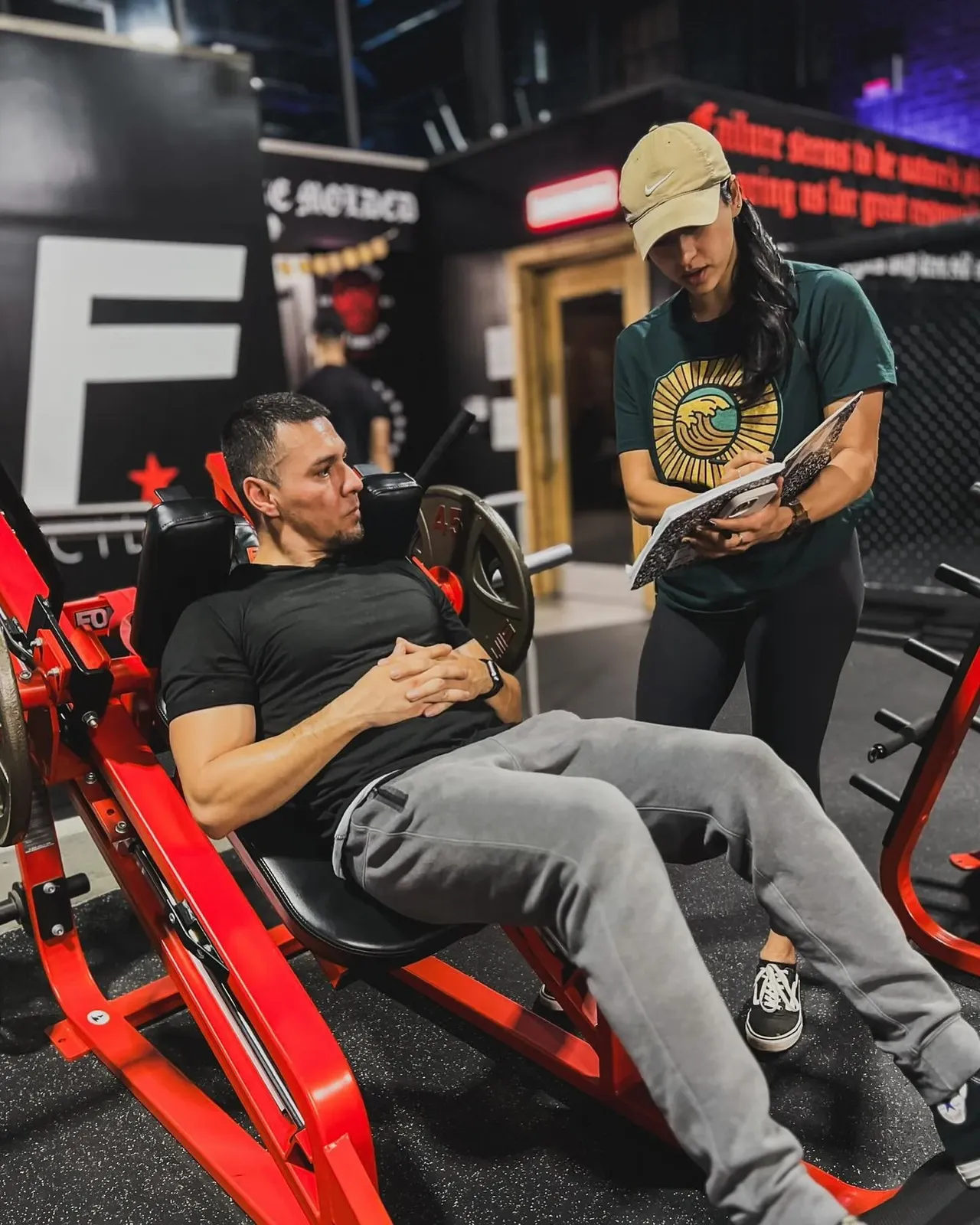
A guy walks into Trinity six weeks after a grade 2 hamstring strain. His physical therapist cleared him. He's pain-free walking, pain-free at 70% jogging speed. But he hasn't touched a barbell since the injury because he's scared. That fear costs him more than the original injury did. Muscle that isn't loaded atrophies fast — you can lose measurable cross-sectional area in as little as two weeks of disuse. So the hamstring that was strained is now also weak, deconditioned, and primed to get hurt again the first time he sprints for a bus.
This is the pattern we see constantly in a Long Beach gym that trains real adults, not just athletes chasing a PR. Someone tears something, has surgery, or aggravates an old injury, and the instinct is to protect it by doing nothing. Rest has a place — the first 48 to 72 hours after an acute injury. But rest as a long-term strategy is how a six-week setback turns into a permanent limitation. The tissue heals weak and disorganized, the surrounding muscles go soft, and the person ends up more fragile than before they got hurt.
Strength training, applied correctly and at the right dose, is one of the most effective tools for getting that tissue and that person back to full function. Not "light stretching." Progressive, loaded, monitored resistance training. This article breaks down why that works, what the timeline actually looks like, and how we program it for clients walking through our door post-injury.
Why Strength Training Speeds Recovery
Tissue — muscle, tendon, ligament, even bone — remodels in response to mechanical load. This is called mechanotransduction: cells sense tension and respond by laying down new collagen along the lines of stress. A tendon that's never loaded after injury heals with collagen fibers running in random directions, which is weaker and more prone to re-tearing. A tendon that's progressively loaded heals with fibers aligned to the forces it will actually experience.
That's not a theory we invented. The National Institute of Arthritis and Musculoskeletal and Skin Diseases points to graded exercise as central to recovering strength and range of motion after musculoskeletal injury, not an optional add-on after the "real" healing is done.
Beyond the tissue itself, strength training rebuilds neuromuscular control lost after injury. When you strain a hamstring or sprain an ankle, your nervous system reduces its ability to recruit that muscle efficiently — a protective response called arthrogenic muscle inhibition. That doesn't fix itself with rest. It fixes itself when you re-teach the nervous system to fire that muscle under load, starting light and building back up.
There's also the systemic piece. Resistance training improves blood flow, delivering the oxygen and nutrients tissue needs to repair. It maintains bone density, which matters if someone's been immobilized in a boot or sling. And it counteracts the general deconditioning — cardiovascular, metabolic, postural — that happens any time someone goes from training four days a week to zero.
The Post-Injury Timeline: What Actually Happens
Recovery isn't linear and it isn't fast, and anyone who tells a client they'll be "back to normal" in three weeks is setting them up to quit or re-injure. We think in three broad phases, and the timelines below are typical ranges, not guarantees — every injury and every person is different.
Phase one, roughly days 1 to 10 for most soft tissue injuries, is about controlling inflammation and protecting the area while keeping everything else moving. If someone strains a calf, we're still training their upper body, their core, and their uninjured leg. The goal is to lose as little total fitness as possible while the injury site settles down.
Phase two, roughly weeks 2 through 6, is where isometric and light isotonic loading starts. Isometrics — holding a position under tension without moving the joint — build strength and reduce pain without the shear forces of a full range-of-motion movement. A client six weeks out from a knee scope might start with wall sits and terminal knee extensions before we ever put them back under a squat bar.
Phase three, from roughly week 6 onward, is progressive reloading: rebuilding full range of motion, then full load, then power and speed if the person needs it for sport. This is where a structured plan matters most — we lean on the same periodization principles from our guide on building a periodized strength training plan, applied more conservatively and with more monitoring.
Building the Return-to-Strength Program
Once someone is cleared to load an area again, the biggest mistake is jumping back to their pre-injury numbers. We don't do that. We rebuild in blocks:
We track load, reps, and — critically — how the area feels 24 hours later, not just during the set. A 1 to 3 out of 10 soreness the next day is fine. A 6 out of 10 means we backed off too fast. We also test before we trust: before clearing someone to return to old training volume, we want roughly 90% strength symmetry between the injured and uninjured side on a simple test, not just "it feels okay."
Common Injuries We See and How We Program Around Them
Lower back strain is probably the most common thing that walks through our door. The instinct is to avoid all spinal loading — wrong move. We start with hip hinges using a dowel to groove the pattern, move to trap bar deadlifts at light load within a couple of weeks for most non-disc-related strains, and build back to conventional deadlifting over 6 to 10 weeks. Total avoidance of hinging is what turns an acute strain into chronic back pain.
Shoulder impingement, common in people who spent a decade bench pressing with no attention to their upper back, gets fixed by strengthening the muscles around the joint, not resting it. We emphasize rows, face pulls, and external rotation work, often 3 sets of 15 to 20 reps at light load, three times a week, alongside a temporary reduction in overhead pressing volume.
ACL reconstruction is the long game — 9 to 12 months to full return to cutting sports, and we don't rush that regardless of what a client's surgeon's paperwork says. Quad strength symmetry is the single best predictor of re-tear risk, so we test it repeatedly.
A lot of these injuries trace back to imbalances that existed before the injury — one side compensating for the other, a weak glute medius letting the knee cave in. We wrote a full breakdown of this in our piece on muscle imbalances that sabotage strength training, and post-injury programming is exactly where fixing those imbalances pays off — you're removing the reason it happened.
Mistakes That Keep People Reinjured
The number one mistake is rushing back to pre-injury load because a date on a calendar says "6 weeks" and the person feels antsy. Tissue doesn't read a calendar. We've had clients who felt 100% at week 4 and clients who still had guarding and hesitation at week 10 from the same type of injury. Go by symptoms and objective strength tests, not the number of days since the injury.
The second mistake is the opposite: staying in the "safe zone" of light, easy exercise forever because it feels responsible. We see this constantly with people who had a good physical therapy experience and just stopped, doing the same three PT exercises for a year instead of progressing. PT gets you out of pain. Strength training rebuilds the resilience to prevent it from happening again, and that needs real load — not 2-pound resistance bands indefinitely.
Third: ignoring the rest of the body. If someone hurts their right knee and only rehabs the right knee, they're missing the compensation patterns built up everywhere else — the left hip that overworked for six weeks, the lower back that took on load it wasn't designed for. A proper return-to-strength plan looks at the whole system, which is part of why we build our approach to functional strength for everyday movement around whole-body patterns rather than isolating the injured part forever.
Fourth: skipping the boring stuff. Grip work, ankle mobility, single-leg balance — none of it is exciting, but weak links anywhere in the chain increase load on the area you're actually trying to protect.
Nutrition's Role in Tissue Repair
Training rebuilds tissue, but it can't do it without raw material. Protein intake matters more after an injury than almost any other time in someone's training life, because the body is in an active repair state and immobilization itself increases muscle protein breakdown.
We generally point clients toward 0.7 to 1 gram of protein per pound of bodyweight per day during active recovery — on the higher end of typical recommendations, because injured tissue needs more amino acids available. For a 180-pound client, that's 125 to 180 grams a day, spread across 4 to 5 meals so the body has a steady supply rather than one big dump at dinner.
Total calories matter too. A lot of people instinctively cut calories after an injury because they're moving less. That's backwards in the first few weeks — a significant calorie deficit while tissue is trying to repair itself slows healing. We'd rather someone hold roughly maintenance calories for the first 3 to 4 weeks post-injury, then start a modest deficit once back to consistent training if fat loss is still a goal.
Vitamin C, zinc, and omega-3s show up repeatedly in research on collagen synthesis and inflammation regulation. A diet genuinely low in these nutrients isn't giving the body what it needs to rebuild efficiently. Real food first — citrus, leafy greens, salmon, shellfish — supplements second.
Mindset and Resilience: The Mental Side of the Comeback
The physical rebuild is only half of it. Almost everyone who's had a real injury — not a two-day tweak, but something that sidelined them for a month or more — develops some level of movement fear. It shows up as flinching on a lift that used to be automatic, or avoiding a specific angle entirely without realizing they're doing it.
That fear is data, not weakness. It tells us where to slow down and build confidence deliberately, usually by regressing a movement to a version the client can do with zero hesitation, then adding difficulty in small enough steps that the fear never triggers hard enough to cause a setback. Confidence gets built the same way strength does — progressively, under control, with evidence.
We also see the opposite problem: clients who overcorrect into recklessness once cleared, trying to prove to themselves the injury is gone by maxing out too soon. Both extremes come from the same place — an emotional reaction to the injury rather than a plan. The clients who come back strongest trust a structured progression instead of trusting how they feel on any given day, which is exactly the mindset behind our guide to building functional strength through progressive overload.
Resilience, in the literal sense, is the ability to absorb a setback and come back stronger than before. That's true physiologically and it's true mentally. People who go through a well-managed injury recovery often end up more disciplined training partners than they were before, because they finally understand why the boring stuff matters.
Working With a Trainer vs. Going It Alone
You can do parts of this on your own, especially general fitness maintenance during phase one. Where people get into trouble is programming their own return-to-load timeline without an objective set of eyes on their movement quality, load progression, and actual strength numbers versus perceived readiness.
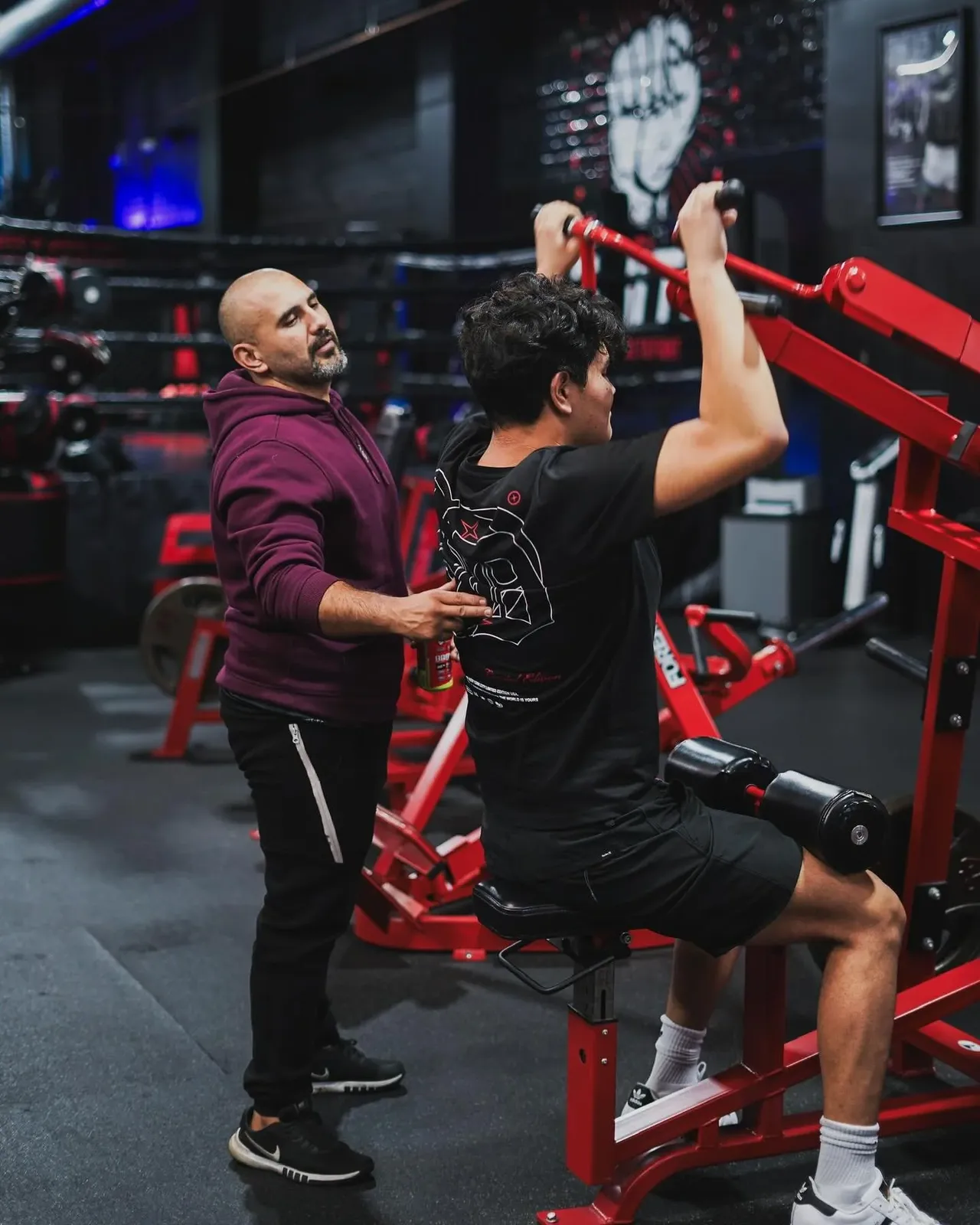
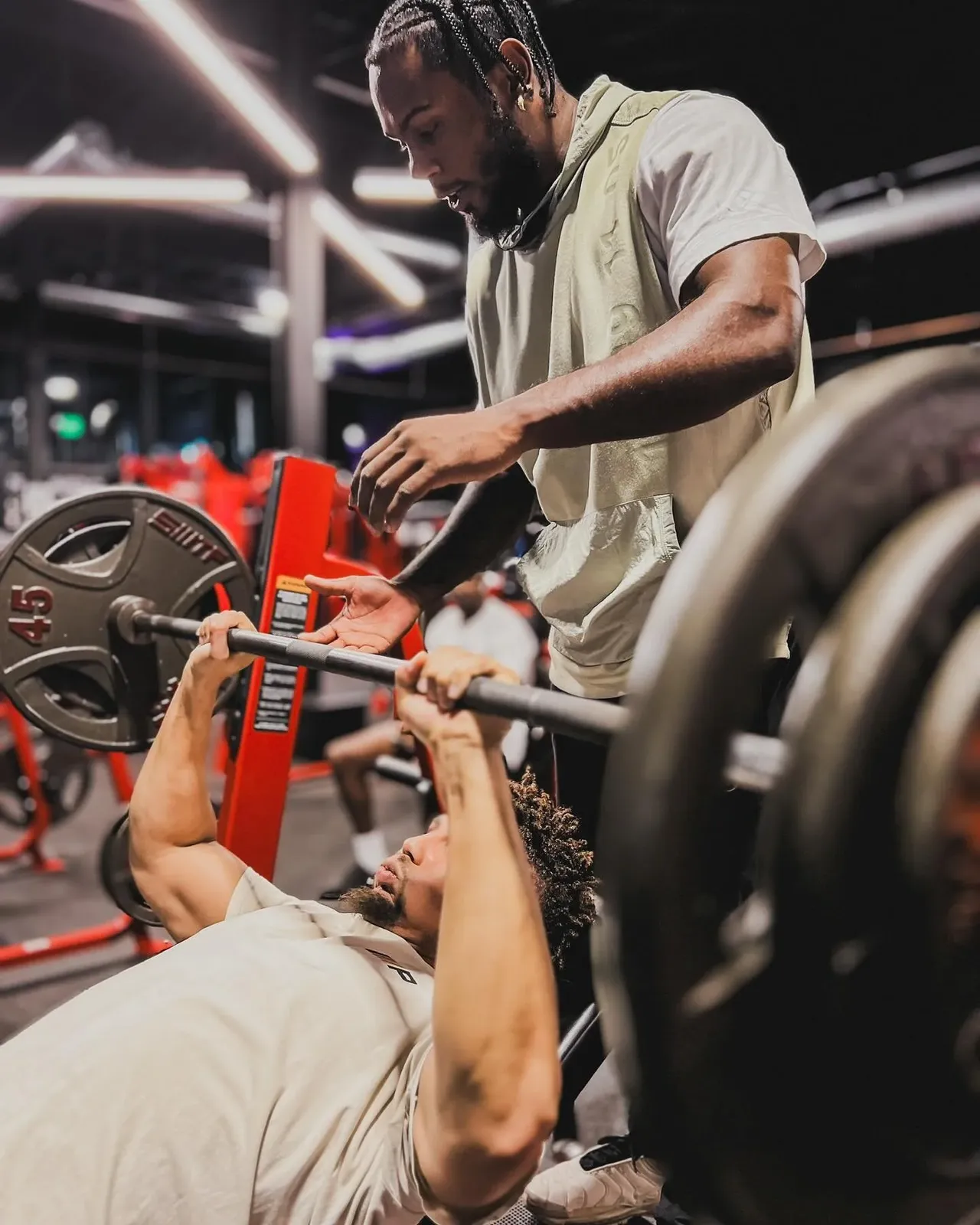
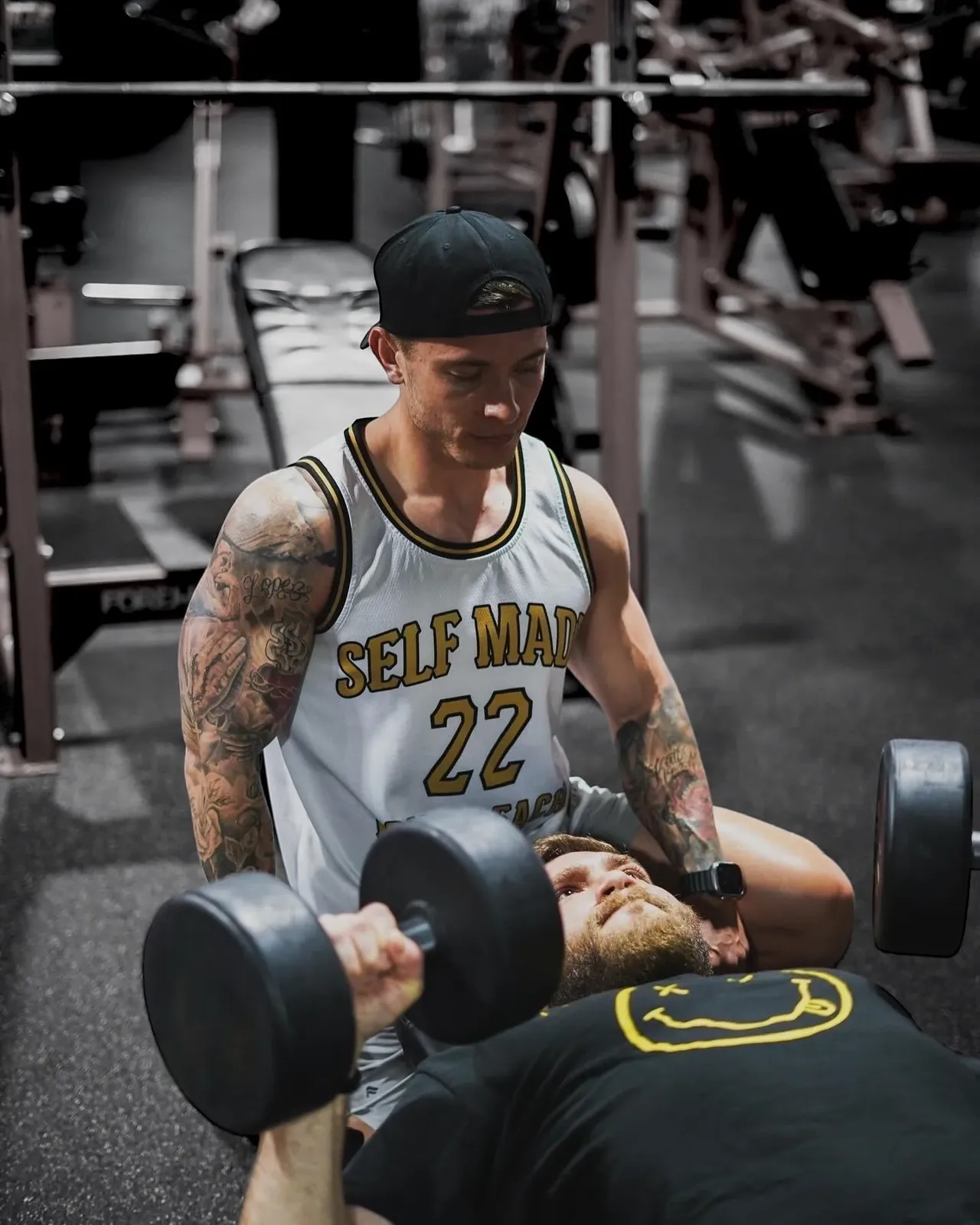
A trainer who's worked with post-injury clients brings three things a generic program can't: real-time form correction (a lot of compensation patterns are invisible to the person doing them), load management based on how the tissue is actually responding week to week rather than a fixed template, and communication with your physical therapist or physician so nobody's working off outdated information.
At Trinity, when a client comes to us post-injury, we ask for the discharge notes or the PT's clearance details before we program anything. We're not trying to replace medical care — we're the bridge between "cleared to exercise" and "back to full strength and confidence," a gap a lot of rehab programs don't close. According to the CDC's physical activity guidelines, adults need regular muscle-strengthening activity year-round — insurance-covered PT typically ends the moment someone can do daily activities without pain, nowhere near the strength level needed to safely return to real training or sport.
That gap is where reinjury happens most. Someone gets discharged from PT feeling "fine," goes back to their old training program at their old weights, and re-tears something within a few months. A structured, monitored strength progression closes that gap.
Your Next Step
If you're sitting on an injury history you've been avoiding, or you just got cleared by a PT and don't know how to bridge back to real training, don't guess with your own program and don't sit in the "safe zone" forever. The math is simple: every month you spend under-loading a healed injury is a month of strength, muscle, and confidence you don't get back without doing the work anyway — you're just doing it later, and later usually means starting from further behind.
We've walked clients through hamstring strains, ACL reconstructions, rotator cuff repairs, and lower back injuries, and the ones who come out the other side stronger than before share one thing: they stopped guessing and got on a plan someone else was watching closely. That's the difference between "I think I'm ready" and "we tested it and you're ready." No client of ours has gone through a structured return-to-strength plan and regretted the pace — the regret always comes from the version where someone rushed it alone.
Come in for a tour and a free intro session at Trinity Training Facility in Long Beach. Bring whatever paperwork you have from your doctor or physical therapist. We'll look at your injury history, test your current strength, and build a specific return-to-strength plan — not a generic template — to get you back to full training with confidence. Book your session at /contact and let's get you moving again.
Key Takeaways
- Muscle atrophies within about two weeks of disuse, so long-term rest after injury often creates more weakness than the original injury caused.
- Progressive, loaded exercise helps collagen fibers in healing tendons and muscle align along the actual lines of stress, producing stronger tissue than complete rest.
- Recovery generally follows three phases: protect and maintain (days 1-10), isometric and light loading (weeks 2-6), and progressive reloading (week 6 onward).
- Aim for roughly 90% strength symmetry between the injured and uninjured side, verified with an actual test, before returning to pre-injury training volume.
- Protein needs rise during recovery — target roughly 0.7 to 1 gram per pound of bodyweight daily to support tissue repair.
- The most common mistake isn't rushing back too soon or staying too cautious forever — both stem from following a feeling instead of a structured, monitored plan.