





Personalized Recovery Plan for Long Beach Athletes
Build a personalized recovery plan that actually gets Long Beach athletes back to training. Real phases, timelines, and mistakes to avoid.
A personalized recovery plan for athletes starts with an honest assessment of the injury, current strength, and sport demands — not a generic handout. It moves through three phases: calming irritated tissue, rebuilding strength and capacity, and a sport-specific return to performance, usually spanning 6 to 12+ weeks depending on severity and training age.
A client walks in six weeks post-ACL surgery with a folder of physical therapy exercises and a PT discharge note that says "cleared for activity." What that note doesn't say is how to get back to squatting 225, throwing combinations on the bag, or cutting hard off that knee without it buckling. That gap — between "cleared" and "actually ready" — is where most Long Beach athletes get stuck, and it's exactly where a personalized recovery plan has to start.
Why Cookie-Cutter Recovery Plans Fail
Generic recovery templates assume every hamstring strain, shoulder impingement, or low back flare-up behaves the same way. It doesn't. A 24-year-old boxer with a grade 1 hamstring strain and a 45-year-old lifter with the same diagnosis need different volumes, different timelines, and different exercise selection based on training age, tissue history, and what they're returning to.
We see this constantly: someone grabs a printout from a PT clinic, does the same three exercises for eight weeks, hits a plateau, and assumes they're just "not a fast healer." More often, the plan never progressed past phase one. Nobody adjusted load when symmetry improved.
A personalized plan accounts for three variables a template can't: your actual strength deficit measured against your uninjured side, your sport's specific demands (a boxer needs rotational hip power back, a lifter needs axial loading tolerance), and your pain response to progressive loading — not just rest.
This isn't about more exercises. It's about the right exercises at the right dose, adjusted weekly based on how your body actually responds, not how a 12-week calendar says you should be doing.
Step One: The Real Assessment
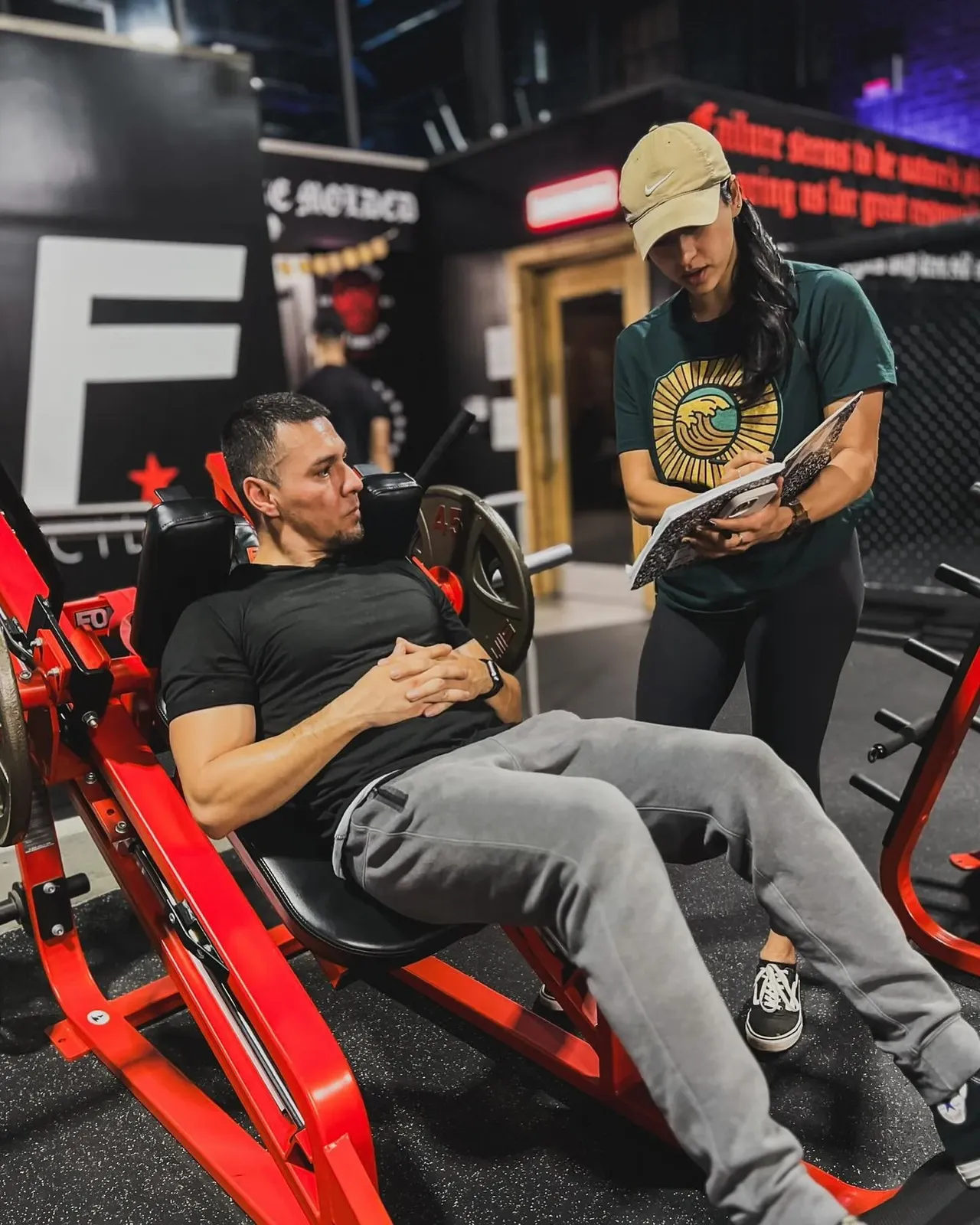
Before programming a single rep, we run a 45-60 minute assessment covering four things: range of motion on both sides, single-leg or single-arm strength comparison, movement quality under load (not just bodyweight), and training history — what you did before the injury and how you got hurt in the first place.
Numbers matter here. If your injured-side single-leg press is at 60% of your uninjured side, you're not ready for double-leg squats loaded past 50% of your pre-injury working weight. If shoulder external rotation is 20 degrees short on the injured side, overhead pressing stays out of the program regardless of how good it feels that day.
We also ask what nobody else asks: what's your sport actually going to demand? A boxer returning from a wrist injury needs grip endurance and impact tolerance tested, not just range of motion. A lifter returning from a disc issue needs hip hinge mechanics rebuilt before anyone talks about deadlift numbers again.
This assessment becomes the baseline we re-test every 2-3 weeks. Research on how strength training speeds injury recovery backs up what we see in-house: structured, progressive loading outperforms passive rest or stretching-only protocols for getting athletes back to full function.
Phase 1 — Calming Down the Tissue (Weeks 0-2)
This phase is about controlling inflammation and restoring basic pain-free range of motion, and it's the phase most people rush. If you're still guarding a movement, flinching, or compensating to avoid pain, you are not ready for loaded exercise in that pattern — full stop.
Typical phase 1 work: isometric holds (think a 30-45 second wall sit or banded isometric shoulder hold), light range-of-motion drills, and low-intensity cardio that doesn't aggravate the area — stationary bike, pool walking, or incline treadmill walking at 2.5-3.0 mph.
We're also addressing the rest of the body here. If your right knee is the problem, your upper body and core training continue mostly unchanged. Losing six weeks of total training because one joint is hurt is a common and avoidable mistake — it costs strength and conditioning you'll have to rebuild later for no reason.
Expect this phase to last 10-14 days for most soft tissue strains, longer for post-surgical cases where your surgeon sets specific weight-bearing restrictions. Pain should trend down week over week. If it's flat or climbing, the plan needs to be adjusted, not pushed through.
Phase 2 — Rebuilding Capacity (Weeks 2-6)
Once pain is controlled and range of motion is close to full, the focus shifts to loading tolerance. This is where most of the real strength comes back, and it's where progressive overload principles matter most — adding load, volume, or complexity in small, measurable increments rather than jumping straight back to pre-injury weights.
A typical week 3-4 progression for a lower body strain might look like: goblet squats at 20-30% of pre-injury back squat weight for 3 sets of 10, single-leg Romanian deadlifts with light dumbbells, and step-ups at a 6-8 inch box before progressing height. We add 5-10% load every 7-10 days as long as pain stays at or below a 2 out of 10 during and after sessions.
The principles we use here mirror what's covered in our breakdown of progressive overload for building real strength — small, consistent increases beat aggressive jumps every time, especially with tissue that's still remodeling.
By the end of this phase, most athletes are back to 75-85% of pre-injury strength on key lifts, measured against the uninjured side or last known baseline. That number — not how many weeks have passed — determines if you move to phase 3.
Phase 3 — Return to Performance (Weeks 6-12+)
This is where training starts looking like training again: heavier compound lifts, plyometrics, change-of-direction drills, and sport-specific movement patterns. It's also where re-injury risk spikes if phases 1 and 2 were rushed.
Before clearing anyone for full intensity, we look for roughly 90% strength symmetry between sides, pain-free single-leg hop testing (for lower body), and the ability to perform the sport's actual demands at moderate intensity without compensation. The 2016 consensus statement from the First World Congress in Sports Physical Therapy, published in the British Journal of Sports Medicine, backs this approach — using objective benchmarks instead of a fixed timeline cuts re-injury rates significantly.
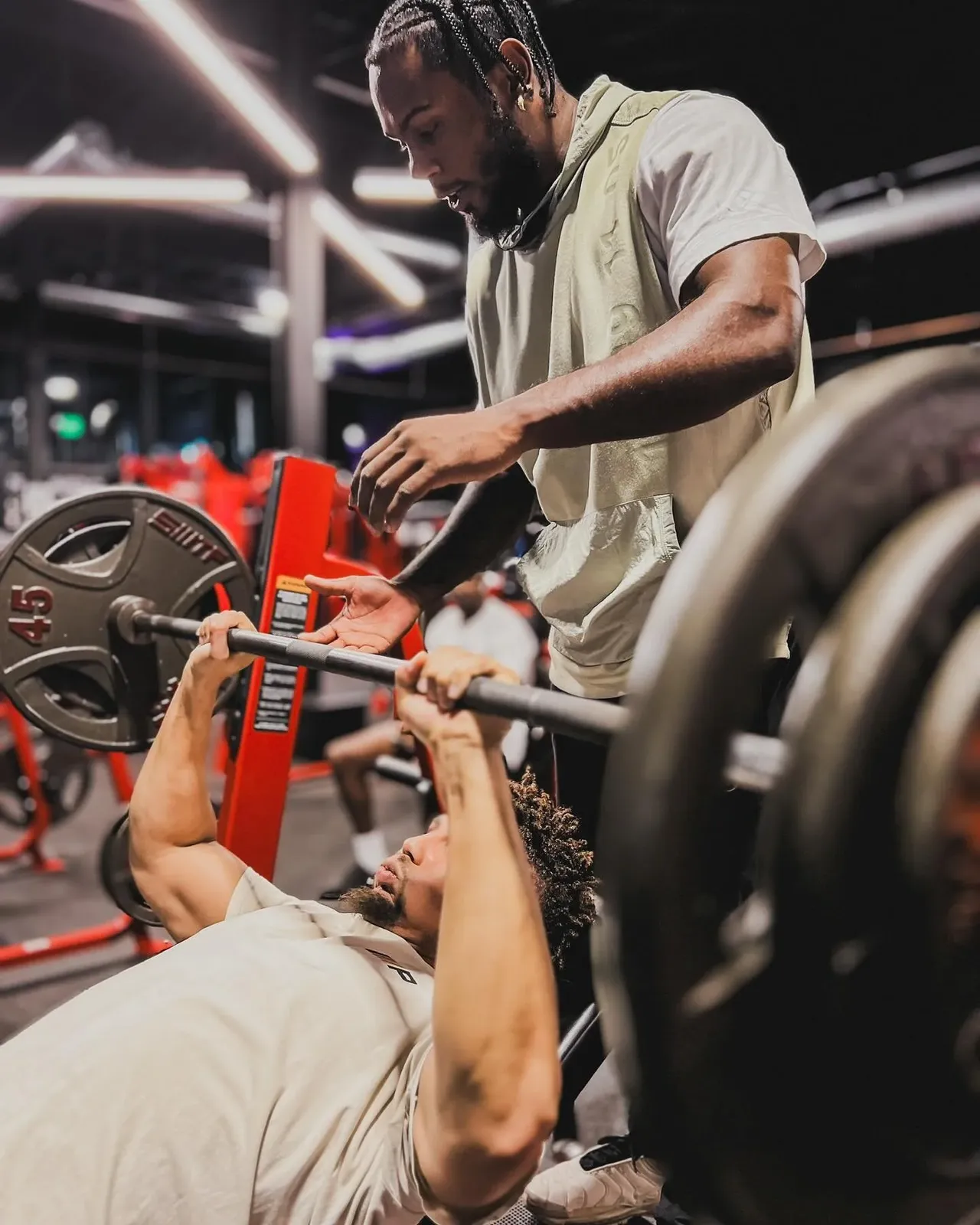
For a lifter, phase 3 means working back up to 85%, then 95%, then 100%+ of pre-injury numbers on the main lifts over 3-4 weeks, with technique video-reviewed at each jump. For a boxer, it means full-speed bag work, then controlled sparring, then full sparring — in that order, not all at once because fight camp starts in three weeks.
Rushing this phase is the single most common reason athletes we see get hurt again within 90 days of "clearance." Patience here is what separates athletes who come back stronger from the ones who cycle through the same injury twice a year.
Mobility Is Not Optional
We treat mobility work as part of the strength program, not a warm-up afterthought. Restricted ankle dorsiflexion after a sprain, limited hip internal rotation after a labral issue, or tight thoracic rotation after a shoulder injury will quietly sabotage every phase of a recovery plan if it's not addressed directly.
A basic mobility block we use three times a week: 90/90 hip switches (2 sets of 8 per side), banded ankle dorsiflexion drills (3 sets of 12), and controlled articular rotations for the shoulder or hip depending on the injury site. These take 10-12 minutes and get done before the strength work, not skipped when time runs short.
For boxers specifically, hip and thoracic mobility directly affect punch output and power generation — if you can't rotate through the hip, you're compensating through the lower back, which is how a lot of our athletes got hurt in the first place. Our guide on mobility training for boxing performance covers the specific drills we use to rebuild that rotation safely.
Mobility testing should happen at every re-assessment alongside strength testing. A lifter who regains full squat strength but still can't hit full ankle dorsiflexion is one bad step away from re-spraining that same ankle.
Recovery Outside the Gym: Sleep, Nutrition, Soft Tissue
The exercises matter, but what happens in the other 23 hours of the day often determines how fast tissue actually heals. Sleep is the biggest lever most people ignore. The CDC recommends 7+ hours per night for adults, and in our experience athletes sleeping under 6 hours consistently take noticeably longer to clear strength benchmarks between phases — the body simply doesn't get enough recovery window to adapt to the loading we're adding.
Protein intake matters just as much during a recovery plan as during a muscle-building phase, sometimes more — healing tissue has elevated protein turnover. We generally target 0.8-1g of protein per pound of bodyweight daily for athletes in active recovery phases, split across 3-4 meals.
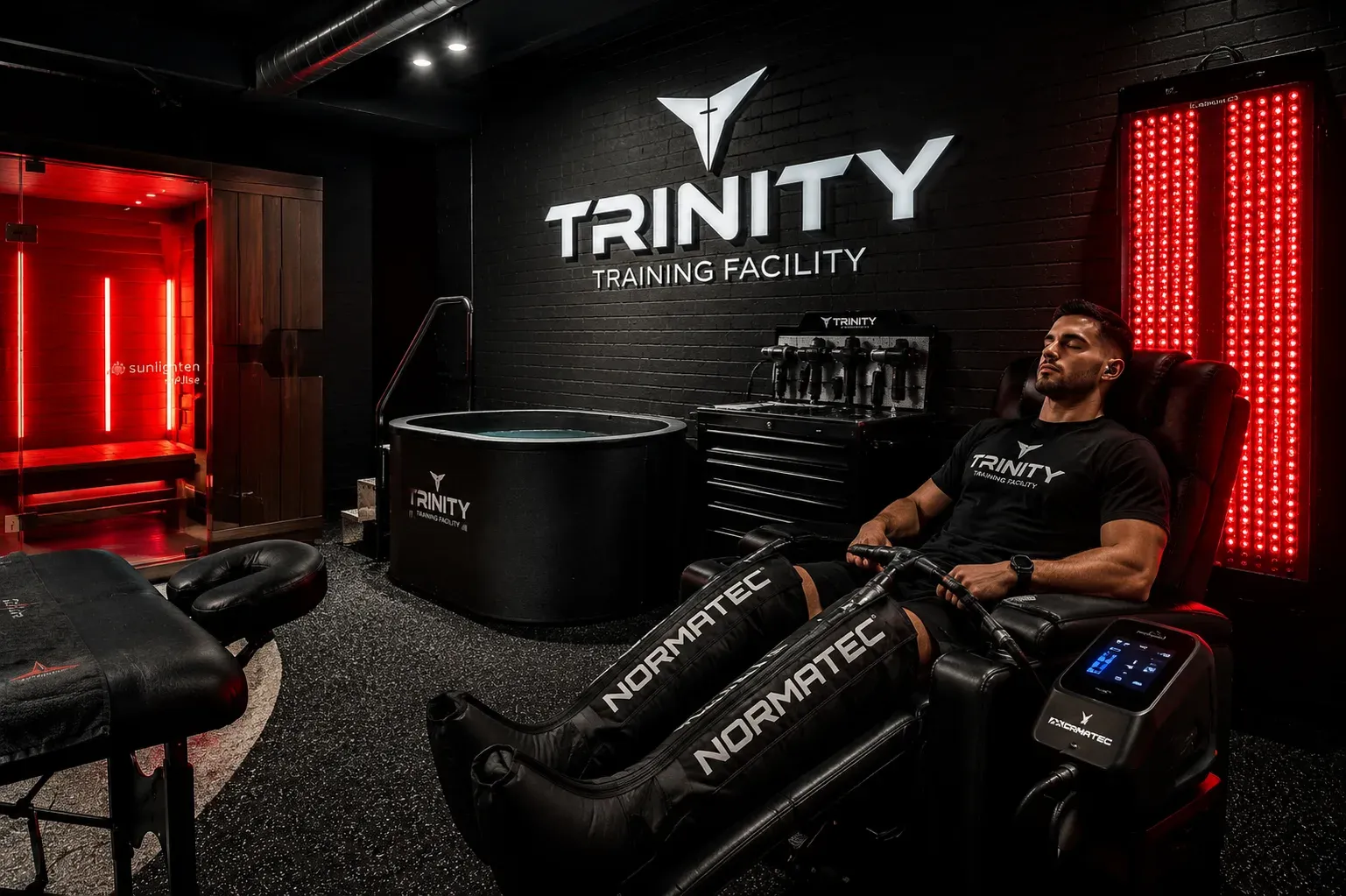
Soft tissue work (foam rolling, massage, or targeted manual therapy) helps manage tone and reduce compensation patterns, but it's a supplement to the strength plan, not a replacement for it. Rolling out a tight hip flexor for 20 minutes a day while skipping the loaded hip extension work that actually builds capacity gets you nowhere. For a deeper breakdown of how we sequence recovery modalities around training, see our piece on recovery hacking for high-intensity trainers.
None of this is complicated. It's just consistently ignored, which is why two athletes doing identical exercise programs can heal at completely different rates.
Sport-Specific Return: Boxers and Lifters
The last phase of any recovery plan has to look like the sport you're going back to, not generic circuit training. For boxers, that means a structured progression: shadowboxing at 50% speed, then controlled bag work focused on form, then speed and power work on the bag, then pad work with a coach, and only then sparring — typically a 3-4 week progression once strength benchmarks are cleared.
Our 4-week plan for building boxing endurance through strength training is a useful model for structuring that final build-up, even for athletes coming back from injury rather than building from scratch — the loading principles are the same, just starting from a lower baseline.
For lifters, sport-specific return means rebuilding confidence under load as much as rebuilding the muscle itself. We often use a back-off approach: work up to a top set at 70% of pre-injury 1RM for 3-5 reps, assess bar speed and form on video, then progress 5% the following week if everything looked clean. Jumping straight back to a 1RM attempt after a 10-week layoff is how athletes end up with a second, unrelated injury from compensation patterns that crept in during recovery.
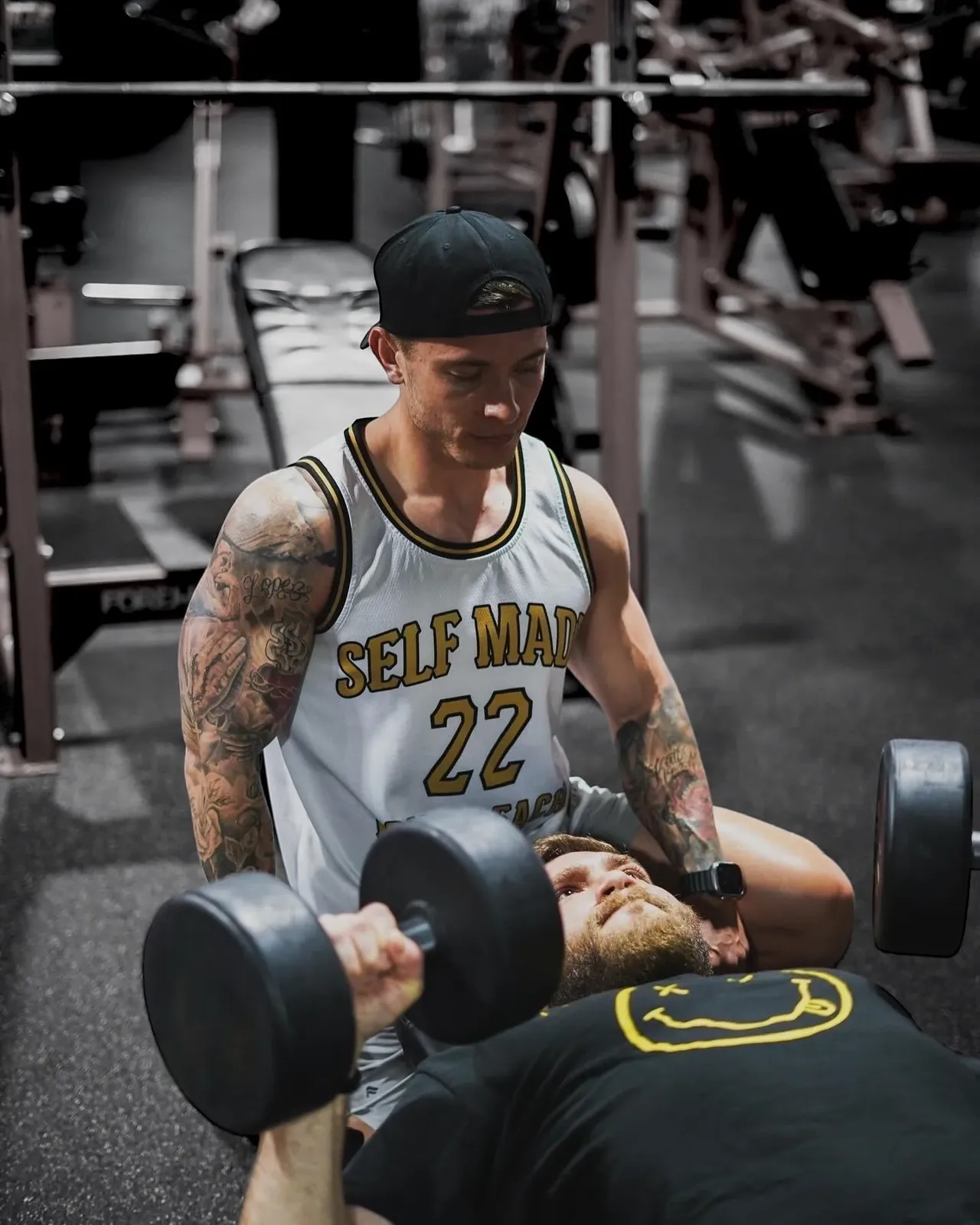
Whatever the sport, the return should be graded and measured, with a coach watching for compensation, not just counting reps.
Mistakes We See in DIY Recovery Plans
The most common mistake is treating pain as the only signal. Pain tells you something is irritated; it doesn't tell you whether you're strong enough to handle your sport's demands. Athletes regularly feel "good" at 70% strength symmetry and reinjure themselves because they never tested where they actually stood.
Second mistake: stopping all training on the injured area and doing nothing else, instead of training around the injury. A shoulder injury doesn't mean you stop squatting and deadlifting. Losing total-body conditioning during a recovery window makes the eventual return harder and slower than it needs to be.
Third: skipping re-assessment. People do the same rehab exercises for 10 weeks without ever retesting strength or range of motion, so they have no objective idea when to progress. We re-test every 2-3 weeks for exactly this reason.
Fourth: ignoring the mental side. Athletes who get hurt once often move cautiously for months afterward even once they're physically cleared, which changes movement mechanics and can create new problems. Confidence-building drills — low-stakes reps at moderate load with a coach cueing form — matter as much as the physical programming.
Fifth, and most common: following a generic timeline instead of their own data. "My friend was back squatting at 6 weeks" is not a recovery plan.
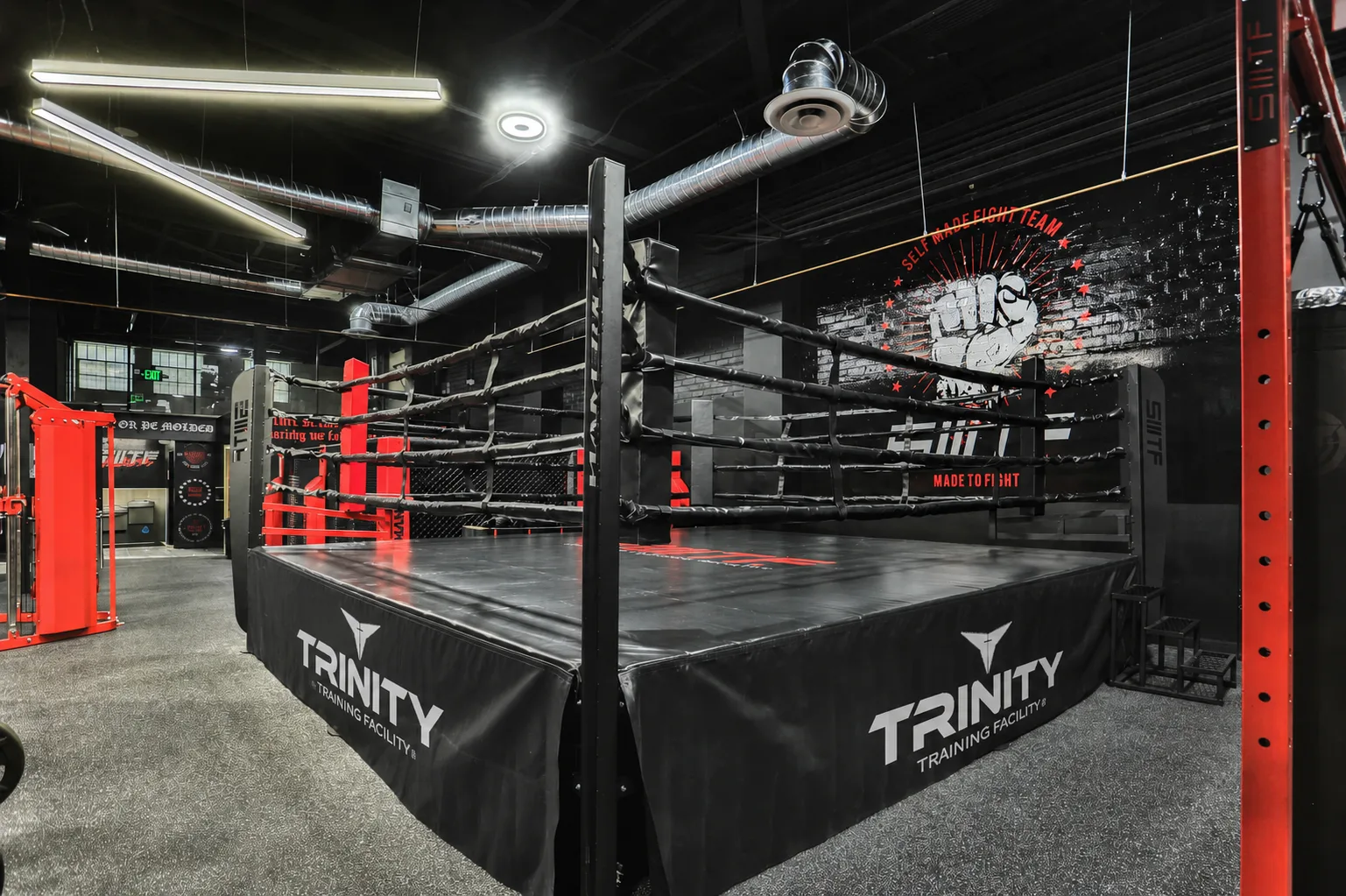
What a Real Recovery Plan Looks Like at Trinity
Take a recent case: a 32-year-old recreational boxer came in eight weeks after a grade 2 ankle sprain, cleared by his podiatrist for "normal activity" but still avoiding pivoting on that foot. Assessment showed 70% calf strength symmetry and a 15-degree dorsiflexion deficit compared to the other side.
Weeks 1-2: calf raises, banded ankle mobility work, and upper body/core training unchanged. Weeks 3-5: single-leg balance work, loaded step-ups, and light lateral shuffles. Weeks 6-8: pivot drills on the bag at 50% speed, progressing load on single-leg strength work. By week 9, strength symmetry hit 92% and he returned to full pad work and controlled sparring.
Total time: 9 weeks, re-tested every 2-3 weeks, adjusted twice when progress stalled. No guesswork, no generic printout, no re-injury in the six months since.
That's what a personalized recovery plan actually looks like — specific numbers, specific benchmarks, and a plan that changes based on how the athlete responds, not a template that doesn't know who you are.
If you're sitting on a PT discharge note wondering what comes next, or you've been doing the same rehab exercises for months with no real progress, come in for a free intro session. We'll run the assessment, show you exactly where your numbers stand, and build the plan from there. Book your free intro at Trinity Training Facility and get a recovery plan built around your actual body, not a generic handout.
Key Takeaways
- A real recovery plan starts with a movement and strength assessment, not a diagnosis alone — two people with the same injury can need completely different programs.
- Recovery happens in three phases: tissue calming (0-2 weeks), capacity rebuilding (2-6 weeks), and sport-specific return (6-12+ weeks).
- Returning to full training too early is the single biggest cause of re-injury — most athletes need a strength benchmark, not a calendar date, before clearing full intensity.
- Mobility work and soft tissue care are not optional extras; skipping them is how athletes end up back at square one.
- Sleep and protein intake affect recovery timelines as much as the exercises you prescribe — most DIY plans ignore both.
- Sport-specific return (boxing footwork, lifting under load, cutting and pivoting) has to be the last phase, not the first.