Recovery Hacking for High-Intensity Trainers in LB
Real recovery protocols for high-intensity trainers: sleep, HRV, nutrition timing, and deloads that actually prevent burnout and injury.
Recovery for high-intensity training isn't foam rolling and ice baths — it's sleep duration, protein timing, and planned deload weeks. Trainees who track resting heart rate and sleep 7-9 hours recover 30-40% faster between sessions than those who don't. The fix is structural: build recovery into your program the same way you program sets and reps, not as an afterthought.
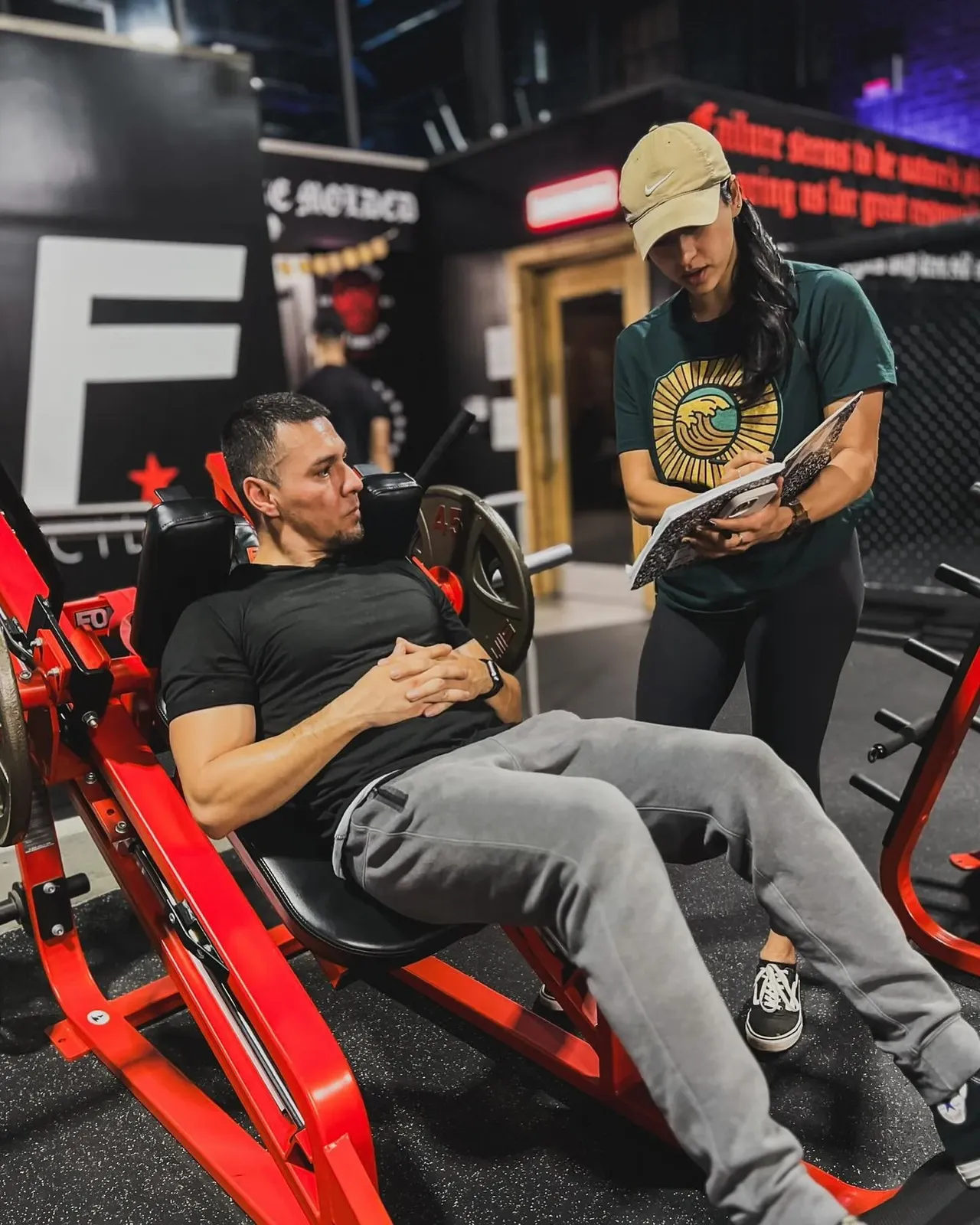
You've got a guy who trains six days a week, hits every session at 90% effort, eats clean, and still isn't progressing. His bench has been stuck at 225 for eight weeks. He's sore for four days after leg day instead of two. He's irritable, sleeping like garbage, and convinced he needs a new program. He doesn't need a new program. He needs to stop treating recovery for high-intensity training like an afterthought and start programming it like he programs his lifts. This is the conversation we have at Trinity at least once a week, and it's almost always the same fix.
Why Recovery Is the Bottleneck, Not Your Training Split
Most people chasing high-intensity results assume the ceiling is their program. It's rarely the program. The ceiling is almost always recovery capacity — how much stress your nervous system, joints, and hormonal system can absorb and adapt to before they start breaking down instead of building up.
Training is the stimulus. Recovery is where the adaptation actually happens. You don't get stronger during the set — you get stronger during the 48-72 hours after, when your body repairs muscle tissue and your nervous system resets. Skip that window consistently and you're just accumulating fatigue on top of fatigue.
We track this constantly with clients coming off a 6-week periodization block (see our 6-week periodization plan for maximal strength gains). The ones who hit their peak week numbers aren't the ones who trained hardest every single session — they're the ones who managed fatigue well enough to actually show up fresh for the sessions that mattered.
If you're training with intensity 4-6 days a week and you're not deliberately managing sleep, nutrition timing, and load fluctuation, you're not training hard — you're just accumulating debt. Eventually that debt comes due as a plateau, a nagging injury, or both.
Sleep: The Non-Negotiable Recovery Lever
If you take one thing from this article, take this: sleep under 7 hours a night will blunt your strength and fat loss results more than any supplement, cold plunge, or recovery gadget you could buy. The National Sleep Foundation recommends 7-9 hours for adults, and high-intensity trainees should be targeting the upper end of that range, not the lower.
Here's what actually happens physiologically. Growth hormone release peaks during deep sleep, primarily in the first half of the night. Cortisol, your primary stress hormone, is supposed to drop overnight and rise gradually toward morning — chronic short sleep keeps it elevated, which interferes with muscle repair and pushes you toward fat storage rather than fat loss.
We've had clients cut their sleep from 5.5 hours to 7.5 hours and see faster strength progress within three weeks without changing a single set or rep in their program. That's not a fluke — it's the recovery window finally being long enough to do its job.
Practical fixes we give clients:
If you're logging 5-6 hours a night and wondering why your recovery from strength training sessions has gotten slower, this is almost always the first lever to pull before touching anything else.
Heart Rate Variability and Resting Heart Rate as Recovery Gauges
You don't need a sports science lab to know when you're recovered. Two numbers tell you almost everything: resting heart rate (RHR) and heart rate variability (HRV), both easy to track with a basic wearable or even a manual pulse check first thing in the morning.
Your RHR fluctuates day to day, but a spike of 5-7 beats per minute above your normal baseline, especially for two consecutive mornings, is a reliable signal that your nervous system hasn't recovered from your last hard session. Research summarized by the NIH on HRV and training load monitoring backs this up — athletes who adjust training based on HRV trends show better long-term adaptation than those training on a fixed schedule regardless of readiness.
Here's how we actually use it with clients at Trinity: if RHR is elevated and HRV is trending down for two days running, that's not a day to grind through your heaviest working sets. Swap it for technique work, lighter loads at 60-70% of your max, or a conditioning session instead of a max-effort lift.
This isn't about being soft on training days. It's about not wasting a hard session on a body that isn't ready to absorb it. A max-effort squat session on a nervous system that's still fried from Tuesday doesn't build strength — it just adds more fatigue on top of fatigue, and that's how minor tweaks turn into six-week setbacks.
If you don't have a wearable, a simple manual check works fine: take your pulse for 60 seconds first thing in the morning, before you get out of bed, for two weeks to establish a baseline. Then compare against it daily.
Nutrition Timing for High-Intensity Recovery
The "30-minute anabolic window" you've heard about for a decade matters far less than total daily protein and consistent meal timing. What matters is hitting 1.6-2.2 grams of protein per kilogram of bodyweight every day, spread across 3-4 meals, not chugging a shake the second you rack the bar.
For a 180-pound trainee (about 82 kg), that's roughly 130-180 grams of protein daily. Spread across four meals, that's 33-45 grams per meal — a chicken breast, a couple eggs plus a scoop of whey, or a protein shake with Greek yogurt mixed in. Nothing exotic, just consistency.
Carbohydrate timing matters more for high-intensity trainers than most people realize. Glycogen depletion from repeated hard sessions is real, and under-fueling carbs is one of the most common recovery mistakes we see with clients trying to cut fat while also training hard 5 days a week. You can run a caloric deficit and still eat enough carbs around your hardest sessions — 30-50g in the two hours before a high-intensity session keeps performance from tanking.
Hydration gets ignored constantly. Losing even 2% of bodyweight in fluid through sweat measurably reduces strength output and increases perceived exertion. If you're training hard in Long Beach heat and not replacing electrolytes, not just water, you're recovering slower than you need to.
Simple framework we give new clients: protein at every meal, carbs concentrated around training, fat filling the rest of your calories, and at least half your bodyweight in ounces of water daily, more on training days.
Active Recovery vs. Total Rest — What Actually Works
Total rest has its place, but for most high-intensity trainers, active recovery at 50-60% effort clears metabolic byproducts and reduces soreness faster than sitting on the couch. Blood flow is what moves waste products out of tissue — low-intensity movement keeps that flow going without adding new training stress.
A good active recovery day looks like: 20-30 minutes of easy cycling or walking, some light mobility work, maybe a slow-paced swim. Heart rate should stay in the 100-120 bpm range for most people — conversational pace, not a sweat-through-your-shirt pace.
We program active recovery differently than a true rest day. A rest day means no structured movement at all — useful after a max-effort testing week or when RHR and soreness are both signaling real fatigue. Active recovery is for the more common scenario: you're a little beat up but not truly depleted, and movement will help more than it hurts.
Common mistake: people treat every non-lifting day as a rest day and end up sedentary six days a week outside the gym. That's actually worse for recovery than moving lightly, because it slows circulation and lets stiffness set in. The opposite mistake is worse — turning an active recovery day into an accidental second hard session because you "felt good" and pushed the pace. Both defeat the purpose.
Cold, Heat, and Compression: What's Worth Your Money
Cold plunges, saunas, and compression boots are everywhere in gym marketing right now, and they're not worthless — but they're not doing what most people think either.
Cold water immersion right after a strength or hypertrophy session can blunt the very adaptation you trained for. Several studies on post-exercise cold exposure show it can reduce muscle protein synthesis and interfere with the inflammatory signaling your body needs to actually build strength. If you're chasing raw strength or muscle gain, save the cold plunge for a conditioning or boxing day, not right after your heaviest lifting session of the week.
Sauna use has better evidence behind it for recovery, particularly for cardiovascular adaptation and perceived recovery, and it doesn't carry the same interference risk with strength gains.
Compression boots and percussion massage guns feel great and can reduce perceived soreness, but the evidence for measurably speeding actual tissue repair is thin. Use them if they help you relax and improve sleep quality — that's a real benefit — just don't expect them to replace sleep, protein, or planned deloads.
Bottom line for your budget: prioritize sleep and food first, they're free. If you've got money left over for recovery tools, a sauna session or two a week beats an ice bath after every lift.
Programming Deload Weeks Without Losing Momentum
A deload week is a planned week of reduced volume or intensity — typically 40-60% of your normal training load — built in every 4-6 weeks for high-intensity trainers. The goal isn't to stop training. It's to let joints, tendons, and your nervous system catch up before they force the issue with an injury.
We build deloads directly into every progressive overload block we run with clients (you can see the structure in our progressive overload programming). A typical deload week cuts working sets by roughly half and drops load to 60-70% of your recent working weights, while keeping movement patterns the same so you don't lose motor patterns or momentum.
The trainees who resist deloads the hardest are usually the ones who need them most. We hear "I don't want to lose progress" constantly. Here's the reality: skipping a planned deload doesn't prevent a deload, it just makes the unplanned version — the strained lower back, the shoulder that finally gives out, the three weeks off from an injury — far more expensive than the one week of lighter training would have been.
Signs you're overdue for a deload right now, this week, not next month:
If two or more of those are true right now, don't wait for your calendar deload — take it this week.
Mobility Work as a Recovery Multiplier
Mobility gets filed under "nice to have" by most high-intensity trainers, and that's a mistake. Restricted range of motion forces compensation patterns during heavy lifts, and compensation is exactly what turns manageable fatigue into an actual injury.
We treat mobility as recovery infrastructure, not a separate category. Ten to fifteen minutes of targeted mobility work — hip flexors, thoracic spine rotation, ankle dorsiflexion — before a session primes the joints that take the most load during squats, presses, and boxing rotational work. Our mobility training approach for boxing performance uses this same logic: the athletes who move well recover faster because they're not fighting their own tissue restrictions on every rep.
Post-session, five to ten minutes of low-intensity stretching or foam rolling on the muscles you trained hardest that day helps manage soreness and keeps tissue quality from degrading week over week. It's not going to undo a bad program, but it removes one more variable working against your recovery.
The trainees we see get hurt most often aren't the weakest ones. They're the strong ones with poor mobility in a specific joint — usually hips or ankles — who keep loading around the restriction instead of addressing it. If your squat depth or your hip rotation during boxing combinations has been the same limited range for six months, that's not a strength problem, it's a mobility problem masquerading as one.
Common Recovery Mistakes We See at Trinity (and the Fixes)
After years of running high-intensity programs for Long Beach clients — strength, boxing, fat loss, post-rehab — the same recovery mistakes show up over and over. Here's the shortlist.
Mistake 1: Training through unresolved soreness or minor pain. Soreness past 72 hours or sharp pain during a lift isn't toughness, it's a signal. Our clients coming back from setbacks use the approach outlined in how strength training speeds injury recovery — controlled loading, not avoidance and not pushing through.
Mistake 2: Ignoring muscle imbalances until they cause pain. Left-right or push-pull imbalances don't announce themselves until something tears. We cover the most common ones in our breakdown of muscle imbalances sabotaging strength training — worth an audit if one side of your body always fatigues first.
Mistake 3: Treating supplements as a recovery strategy. Creatine and a decent protein powder are useful. They are not a substitute for 7-9 hours of sleep and a planned deload. We've had clients spend $150 a month on recovery supplements while sleeping five hours a night — fix the sleep first.
Mistake 4: No baseline tracking. If you don't know your normal resting heart rate, normal soreness duration, or normal sleep hours, you have no way to detect when something's off until it's already a problem. Track it for two weeks minimum before you trust the data.
Mistake 5: All-or-nothing programming. Either training at 100% every session or skipping entirely when tired. The middle ground — training at 60-70% intensity on low-readiness days — keeps consistency without digging a deeper fatigue hole.
Building Your Recovery Protocol This Week
Recovery for high-intensity training isn't complicated, but it does require the same discipline you apply to your programming. Stop treating it as optional and start treating it as the fourth pillar alongside your lifts, your conditioning, and your nutrition.
This week, do three things. First, track your sleep for seven straight nights and be honest about the average — if it's under 7 hours, that's your first fix before anything else. Second, take your resting heart rate every morning before getting out of bed and write it down; two weeks of data gives you a real baseline. Third, look at your last 4-6 weeks of training and ask honestly whether you've had a real deload week in that window. If not, program one now, not after something breaks down.
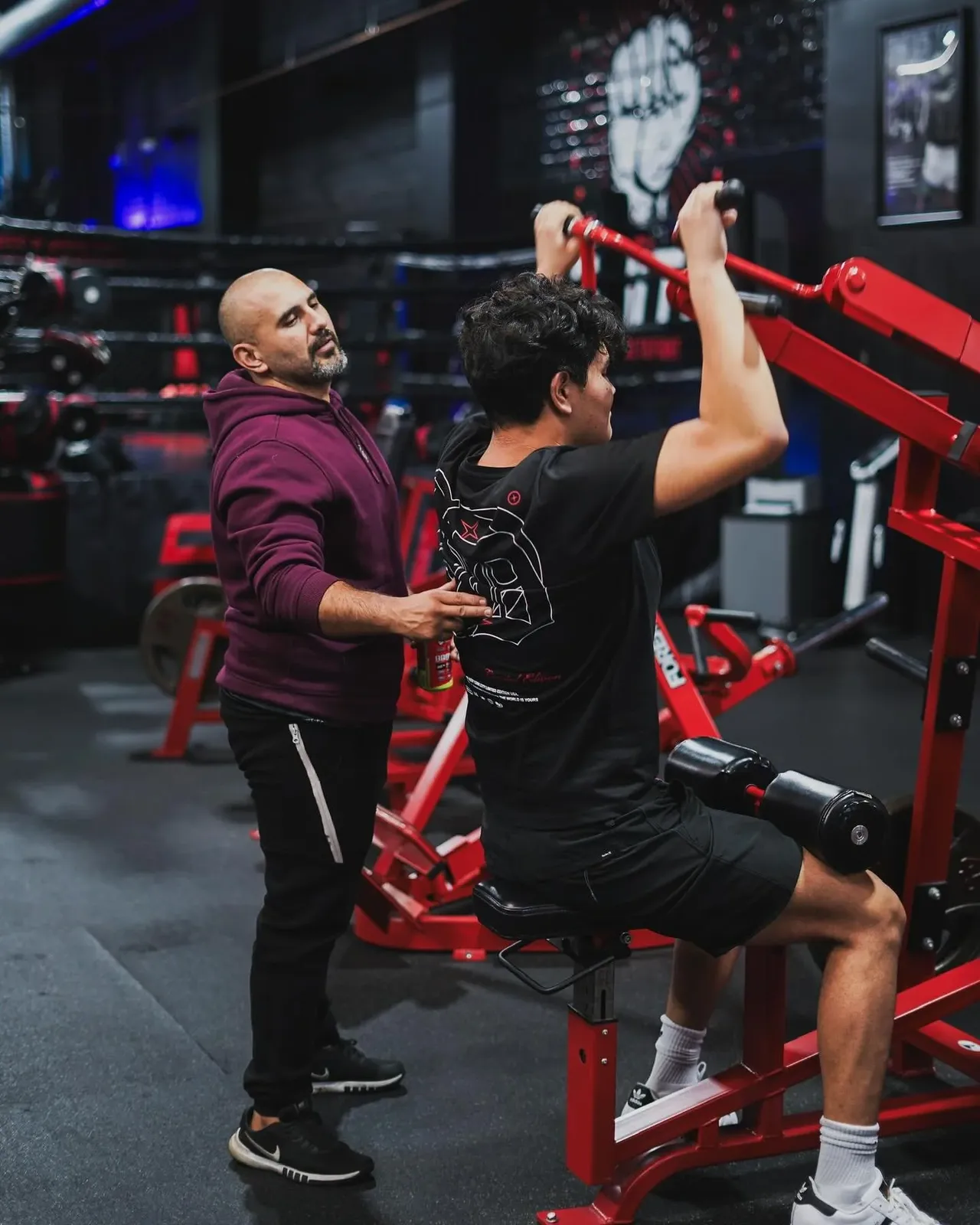
If you're training hard in Long Beach and hitting a wall you can't explain with your program alone, the issue is almost always recovery, not effort. We build recovery protocols into every strength, boxing, and fat loss program at Trinity because guessing at it doesn't work — the data does. Come in for a free intro session and we'll look at your current training load, sleep, and recovery markers together, and build a protocol that actually matches how hard you're training. Book your free intro at Trinity Training Facility and let's fix the bottleneck that's actually holding you back.
Key Takeaways
- Sleep debt under 7 hours a night is the single biggest recovery killer — it blunts strength gains more than any missed protein shake.
- A resting heart rate that's 5-7 beats above your baseline for two straight mornings means you train lighter that day, not harder.
- Protein intake matters more across the full day (1.6-2.2g per kg bodyweight) than the 30-minute 'anabolic window' myth ever did.
- Active recovery at 50-60% effort clears metabolic waste faster than total rest days for most high-intensity trainers.
- A planned deload every 4-6 weeks prevents the unplanned deload — the injury or burnout that costs you a month.
- Cold plunges and compression boots help you feel recovered; they don't measurably speed strength adaptation the way sleep and protein do.